
Gentian-leaved penstemon
Penstemon gentianoides
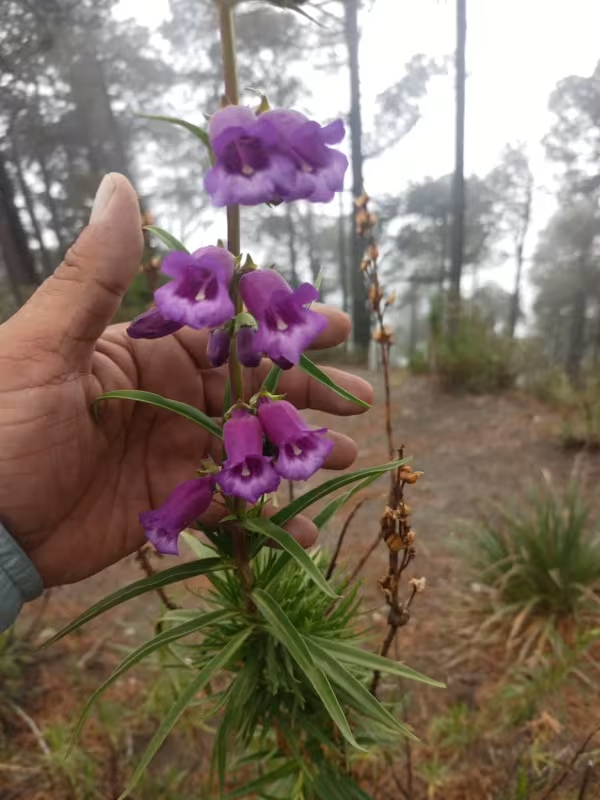
Description
Sowing dates
Sowing Penstemon gentianoides seeds is best done in late winter or early spring, typically between February and March. The seeds require a cold stratification period of two to four weeks at temperatures near 4°C to break dormancy and ensure uniform germination.
After the cold period, place the seed trays in a bright location with a temperature around 20°C. Seeds should be sown on the surface of a light, moisture-retentive substrate, as they require light to germinate effectively and should not be covered deeply with soil.
Pricking out the seedlings occurs once the first set of true leaves develops. Use individual pots to allow the roots to develop without competition, ensuring the potting medium remains consistently moist but never waterlogged during this delicate stage.
Hardening off the young plants is crucial before transferring them to the outdoor garden. Gradually expose the seedlings to external conditions over a week to minimize transplant shock and encourage stronger stems and root systems.
Transplanting into the permanent site should happen once the danger of frost has passed, usually in late May. Space the plants approximately 30–40 cm apart to ensure adequate airflow and prevent the development of fungal diseases in the foliage.
Growing requirements
Penstemon gentianoides is a beautiful perennial belonging to the Plantaginaceae family, native to the high-altitude regions of Mexico. This plant is prized for its tall, erect spikes covered in deep blue-violet, bell-shaped flowers that bloom throughout the summer.
The plant thrives in full sun exposure. While it can tolerate partial shade, too little light often results in weak, spindly stems that lack the structural integrity required to support the large flower clusters during windy weather.
Soil requirements are centered on excellent drainage. This species performs best in neutral to slightly acidic soils. If the native soil is heavy or clay-like, incorporating organic matter and gravel is essential to prevent root rot caused by stagnant water.
Regular but moderate watering is required, especially during the active growing season. Allow the surface of the soil to dry out between watering sessions, as the plant is sensitive to "wet feet" and prolonged damp conditions near the crown.
Fertilization should be kept light; a balanced liquid fertilizer applied twice during the growth phase is usually sufficient. Over-fertilizing, particularly with nitrogen, can lead to lush leaf growth at the expense of floral production and stem strength.
Yield
The primary use of Penstemon gentianoides is in ornamental landscaping and garden design. It is frequently employed in borders, mixed flower beds, and prairie-style plantings where its vertical habit adds both height and deep color contrast.
The species also serves as a commercial cut-flower crop. The long stems with their striking, bell-shaped inflorescences offer good vase life, making them a desirable choice for professional florists creating seasonal, high-end bouquets.
Productivity in terms of flower output is highly dependent on maintenance practices, specifically deadheading. By removing spent spikes, gardeners encourage the plant to redirect energy into forming new side shoots and additional blooming cycles.
In high-density commercial production, support systems are mandatory. Tying the plants to stakes or utilizing grid netting prevents the stems from leaning or breaking during heavy rain or wind, maintaining the quality of the harvested product.
Effective management includes timely rejuvenation of the planting site. Dividing older clumps every few years prevents overcrowding, ensuring that the remaining plants continue to yield strong, healthy flower stalks in future seasons.
Main diseases and pests
Root rot is the most significant threat, particularly in poorly drained soils or areas with excessive rainfall. Fungal pathogens such as Pythium and Phytophthora quickly destroy the roots, leading to the collapse of the plant within a few days.
Powdery mildew often affects the foliage if the plants are crowded and airflow is restricted. Characterized by white, dusty spots on the leaves, this disease should be addressed promptly with appropriate fungicides and better spacing to ensure plant health.
Pests like spider mites and thrips can cause considerable damage during hot, dry weather. These insects feed on the sap of the leaves and stems, causing them to yellow, curl, and weaken, which diminishes the plant's overall aesthetic value.
Slugs and snails pose a risk to young plants in the spring, often consuming entire seedlings if left unchecked. Barrier methods like crushed shells or eggshells around the base can help, alongside targeted biological or chemical control if necessary.
To keep the garden healthy, prioritize hygiene: remove fallen leaves, avoid overhead watering to keep foliage dry, and ensure that all gardening tools are sterilized before use. Strong, stress-free plants are naturally more resistant to these common ailments.