
Shrubby Penstemon
Penstemon fruticosus
Description
Sowing dates
Sowing Shrubby Penstemon seeds is most effective when done in late winter, ensuring a period of cold stratification for 4 to 6 weeks. This mimics natural winter conditions and significantly increases germination success.
Use a well-draining seed-starting mix, ensuring the container has proper drainage holes. Press the seeds lightly onto the soil surface as they require light exposure for germination.
Maintain consistent moisture by covering the container with a plastic dome. Keep the environment at approximately 20°C (68°F) to ensure the seeds break dormancy correctly.
Once seedlings have developed two sets of true leaves, carefully prick them out into individual pots. This helps prevent overcrowding and encourages the development of a robust root system.
Acclimatize the young plants to outdoor conditions by gradually increasing their exposure to sunlight and wind over two weeks before final planting in the garden.
Growing requirements
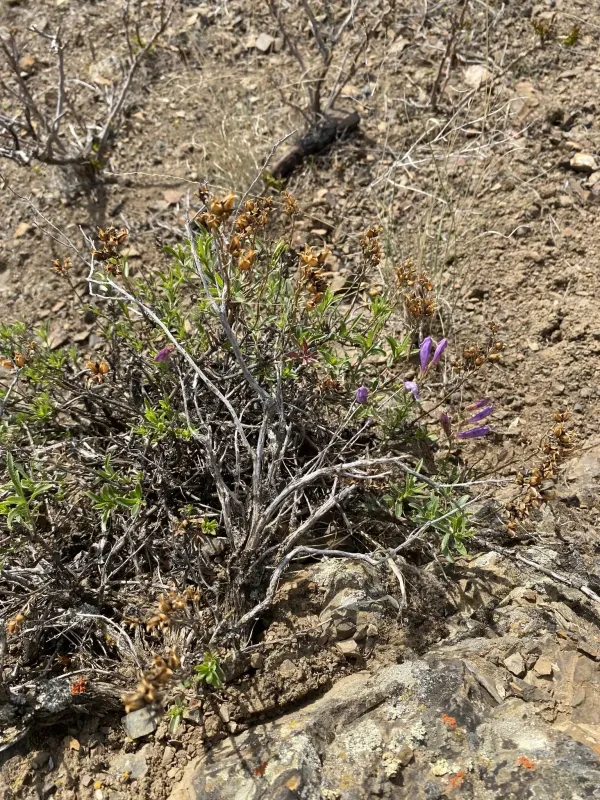
Penstemon fruticosus is a member of the Plantaginaceae family, characterized by its shrubby, evergreen habit. It originates from the rocky mountainous regions of Western North America.
This species demands full sun to thrive. It requires soil that is gritty, nutrient-poor to average, and extremely well-draining, making it perfect for rockeries or gravelly slopes.
Watering should be deep but infrequent once the plant is established. The crown of the plant must remain dry; therefore, planting on a slight slope or in a raised bed is highly recommended.
Maintenance involves light pruning after flowering to maintain a compact, bushy shape and to remove any dead or damaged woody growth from the previous season.
During winter, these plants benefit from good air circulation and well-drained soil, which prevents crown rot during damp, cold periods. Mulching with grit helps protect the base from excess humidity.
Main diseases and pests
The most common disease threat is root rot, caused by heavy, waterlogged soil. Ensuring perfect drainage is the single most important preventative measure for this species.
Powdery mildew may occur if the plants are placed in areas with poor airflow or high humidity. Pruning neighboring plants to increase airflow can effectively reduce this risk.
Pests such as aphids and spider mites can occasionally affect the growth of young shoots. Regular monitoring of the foliage is essential to catch these infestations early.
Insecticidal soaps or neem oil are effective, environmentally friendly options for controlling aphids without harming beneficial pollinators that frequently visit the flowers.
To ensure long-term health, avoid overhead watering, which keeps the foliage damp and invites fungal pathogens. Always aim the water stream directly at the soil surface.