
Edith's penstemon
Penstemon edithae
Description
Growing requirements
Edith's penstemon (Penstemon edithae) is a perennial herbaceous plant belonging to the Plantaginaceae family. Native to the mountainous regions of North America, this species has evolved to thrive in rocky, well-drained habitats, making it a distinctive choice for specialty gardens and rockeries.
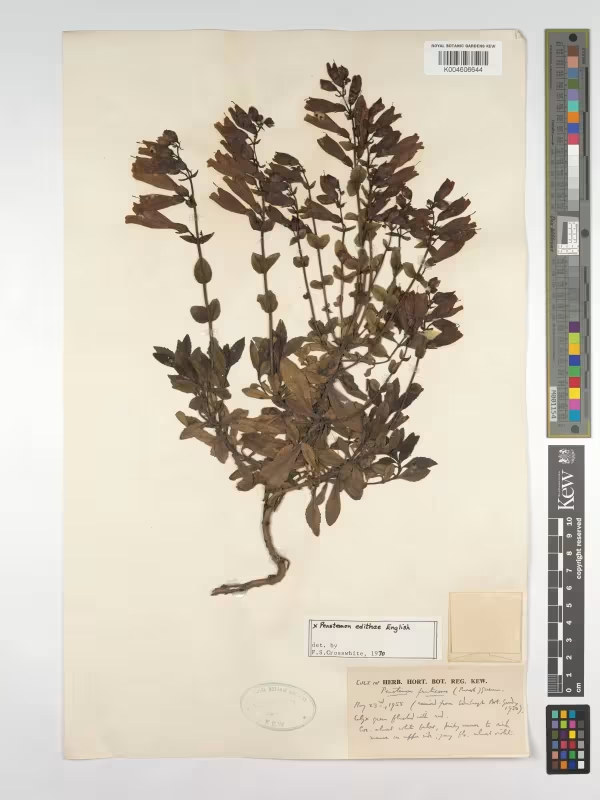
The botanical structure of the plant features basal rosettes of leathery leaves and elegant, upright flowering stems. The flowers are characteristically tubular, appearing in clusters that provide aesthetic value throughout the blooming season. The plant's root system is adapted to penetrate rocky fissures in its natural range.
Cultivation requirements necessitate a location with excellent drainage and full sun exposure. In garden settings, the soil should be lean and gritty; enriched, heavy soils often lead to poor plant vigor and increased susceptibility to winter damage. Maintaining a neutral to slightly alkaline soil pH is generally recommended.
Climatic adaptation is centered on cooler, temperate environments with distinct dry periods. While the plant is relatively hardy, it requires protection from excessive autumn and winter moisture, as crown rot is the most common cause of failure in cultivation during the dormant season.
The primary use of Penstemon edithae is in ornamental horticulture, specifically for rock gardens, xeriscaping, and perennial borders. Its compact habit and structural inflorescences make it an excellent candidate for designers looking to incorporate drought-tolerant, native-style vegetation.
Main diseases and pests
The most significant threats to Edith's penstemon are related to environmental stress rather than specific pests. Improper irrigation practices frequently lead to fungal pathogens, particularly root and crown rots, which can rapidly decimate healthy populations if drainage is compromised.
Insect pests, including aphids and spider mites, may sporadically infest the foliage during periods of heat and drought. Management strategies involve monitoring during the active growth phase and utilizing targeted pest control methods that do not harm the overall health of the plant.