
Peppermint geranium
Pelargonium tomentosum
Description
Growing requirements
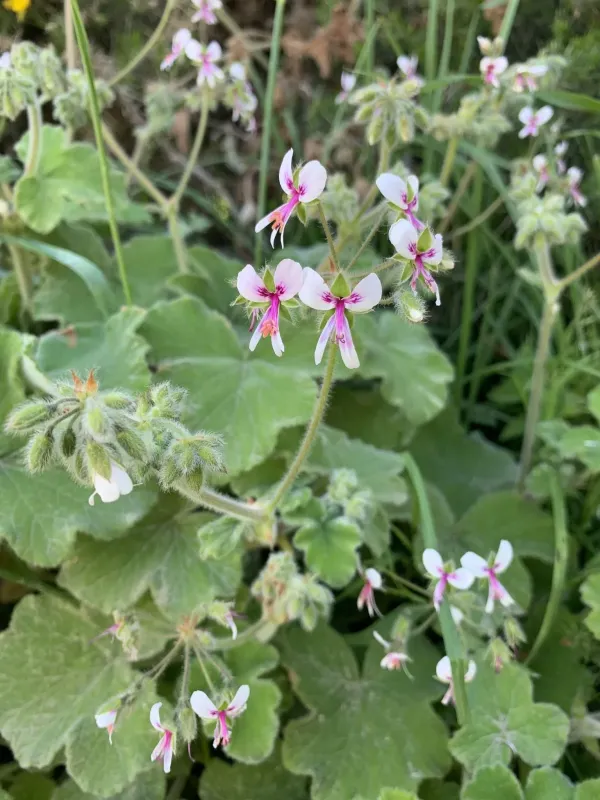
Peppermint geranium (Pelargonium tomentosum) is a member of the Geraniaceae family. Native to the Cape region of South Africa, this perennial herb is widely recognized for its strong mint scent and soft, velvet-like foliage.
Botanically, the plant is characterized by large, deeply lobed leaves covered with fine hairs, which are responsible for the distinct aromatic profile. It has a sprawling growth habit, making it an excellent candidate for hanging baskets or container gardening.
For optimal growth, the crop requires bright, indirect sunlight. It thrives in moderate temperatures, typically between 18°C and 24°C, and requires protection from frost, as it is not a winter-hardy species in temperate climate zones.
The soil requirements focus on excellent drainage. A well-aerated potting mix with a slightly acidic to neutral pH is ideal to prevent waterlogging, which the species finds highly detrimental to its root system health.
Cultural practices include consistent watering, allowing the top layer of soil to dry out between applications. Pruning is essential to maintain the shape of the plant and to encourage the development of new, aromatic foliage throughout the growing season.
Main diseases and pests
Typical plant health issues involve fungal infections such as root rot and gray mold, which are predominantly caused by excessive soil moisture and poor air circulation in the growing area.
Common pests include whiteflies, aphids, and spider mites. These insects tend to thrive in warm, dry indoor environments, necessitating regular monitoring and the use of insecticidal soaps or systemic treatments to maintain plant vigor.