
Pelargonium acetosum
Pelargonium acetosum
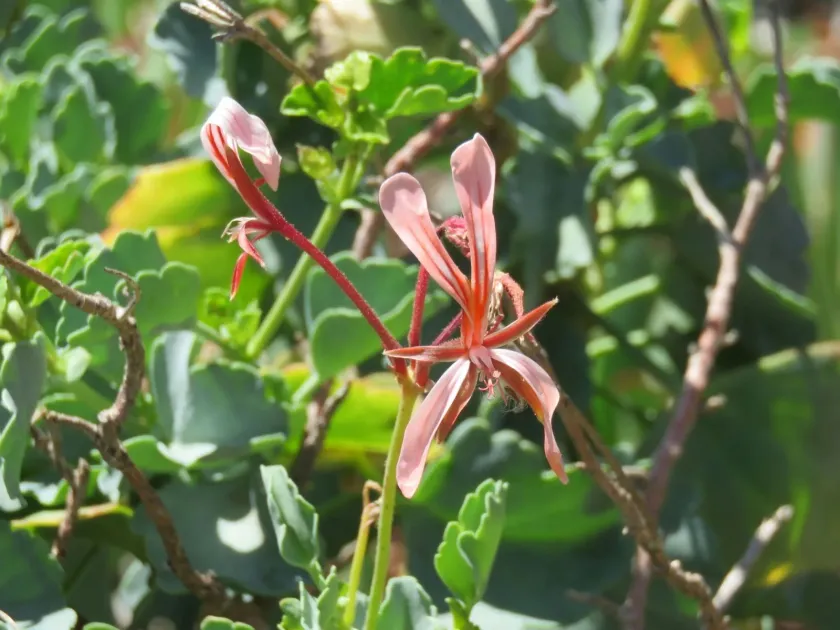
Description
Sowing dates
Propagation of Pelargonium acetosum is most effectively achieved through stem cuttings. This method ensures the best results and maintains the unique physiological characteristics of this succulent species.
Cuttings should be taken from healthy, non-flowering stems during the active growing season, typically in spring or late summer. Each cutting should be roughly 8 to 10 centimeters long.
It is crucial to allow the cut end of the stem to callous over for at least 24 hours before inserting it into a well-draining rooting medium. This prevents rot caused by excessive moisture uptake through the raw cut.
Seeds can also be used for propagation, though they require specific conditions. Sow them in a thin layer of light, sandy substrate and maintain a constant temperature around 22 degrees Celsius.
Once seedlings have developed at least two pairs of true leaves, they should be transplanted into individual pots. Gradual hardening-off is necessary to help young plants acclimate to higher light levels.
Growing requirements
Belonging to the Geraniaceae family, Pelargonium acetosum is a hardy succulent originating from the arid regions of Southern Africa. It thrives in environments that mimic its natural rocky, dry habitat.
The plant requires full sun exposure to maintain its compact, succulent growth habit. If the light intensity is too low, the plant will become spindly and lose its attractive reddish hue on the leaves.
Soil requirements are strict: the medium must be highly porous and inorganic. A mixture consisting of perlite, grit, and high-quality potting compost provides the necessary drainage to prevent root issues.
Watering should be deep but infrequent. The substrate must be allowed to dry out completely between waterings, as the plant stores moisture in its fleshy stems and leaves.
Temperature management is key to year-round success. During the summer, it enjoys temperatures between 20 and 26 degrees Celsius, whereas winter requires a cooler dormant period near 15 degrees Celsius.
Main diseases and pests
The most common pests affecting this species are spider mites and mealybugs. These pests thrive in dry conditions and can quickly infest the succulent stems, leading to severe vigor loss.
Regular monitoring of the foliage and stem junctions is recommended. If an infestation occurs, targeted use of insecticidal soap or systemic pesticides is effective for control.
Root rot is the primary disease threat, usually triggered by overwatering or poor substrate aeration. If the stems appear mushy or discolored near the base, immediate repotting into fresh, dry soil is required.
Fungal leaf spots can develop if the plant is kept in a stagnant, high-humidity environment. Improving airflow around the plant is the best preventive measure against such pathogens.
To keep the plant healthy, avoid overhead watering. Keeping the foliage dry helps reduce the risk of secondary infections and maintains the plant's aesthetic quality.
Harvesting
Pelargonium acetosum is primarily grown as an ornamental plant. Harvesting in this context refers to taking cuttings for propagation and pruning for shape maintenance to ensure a healthy growth habit.
Routine pruning should be performed to remove dead or overgrown stems. This practice improves the plant's structural integrity and encourages the development of new, healthy foliage throughout the season.
Seed harvesting is conducted when the seed pods turn brown and begin to dehisce. It is essential to collect them promptly or use protective bags to prevent seeds from scattering across the growing area.
For commercial growers, the harvest of marketable units involves careful handling of the succulent stems, which are prone to bruising. Proper packaging is required to ensure the plant reaches the consumer intact.
The end-of-season harvest of biomass should focus on selective thinning to prepare the mother plants for their winter dormancy period, ensuring long-term plant health and productivity.