
Pelargonium appendiculatum
Pelargonium appendiculatum
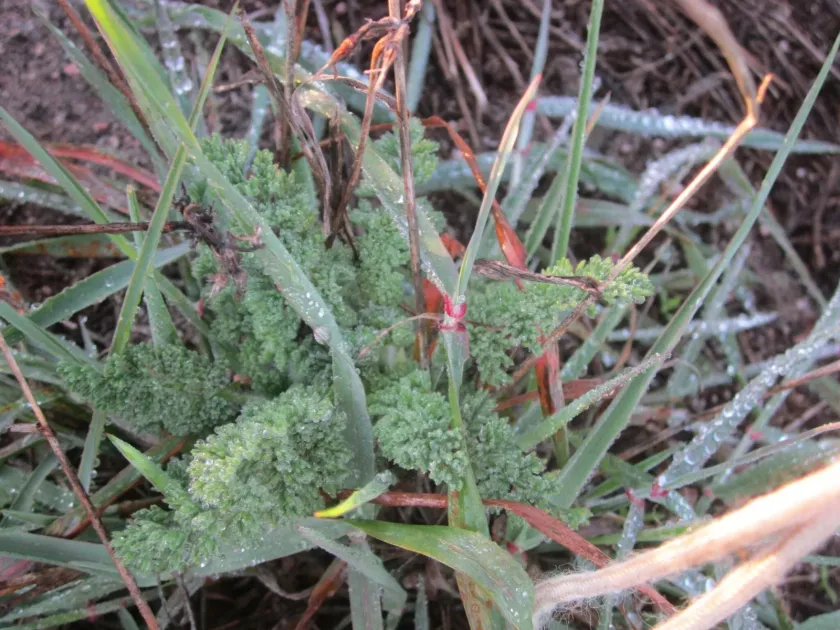
Description
Growing requirements
Pelargonium appendiculatum belongs to the Geraniaceae family. This is a rare species of geophytic plants native to the arid regions of South Africa, specifically the Cape Province.
Botanically, the plant is a perennial with a massive underground tuber that allows it to survive long periods of drought in a dormant state. The leaves are deeply divided and pinnate, covered with fine fuzz, which helps in moisture retention.
Successful cultivation requires a climate with a distinct dry dormant period, which typically occurs during the summer months. During the winter, when the plant is in an active growth phase, cool conditions and bright light are essential.
The soil must be highly permeable and low in organic matter, with the addition of coarse sand or gravel. Water stagnation in the root zone is fatal to this species as it triggers rotting processes in the tuber.
In terms of economic and horticultural use, this species is primarily of interest to botanical collectors and breeders working on developing hardy decorative hybrids with distinct succulent properties.
Main diseases and pests
The main threat to this species is overwatering, especially during the dormant period. Excessive soil moisture inevitably leads to the rotting of the root tuber and subsequent plant death.
In indoor environments, the plant can be infested by mealybugs and spider mites, which settle on the fuzzy leaves. Regular preventive inspections are necessary to control these pests.
Root rots caused by fungal pathogens are the most common cause of crop loss. The use of preventive fungicides is recommended during repotting.
Lack of sunlight during the active growing season leads to leggy shoots and the loss of the characteristic compact habit. This weakens the plant's immunity and makes it more susceptible to infections.
Improper temperature management, specifically temperatures that are too high during the growth period, can trigger the plant to go into deep dormancy prematurely, disrupting its natural life cycle.