
Pelargonium acraeum
Pelargonium acraeum
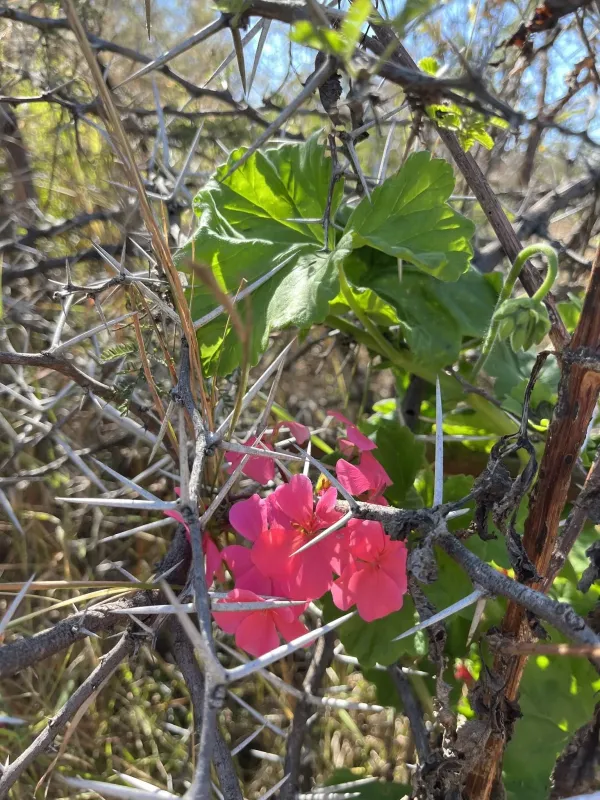
Description
Growing requirements
Pelargonium acraeum is an intriguing species within the Geraniaceae family, native to the rugged and high-altitude areas of South Africa. This species is recognized for its unique botanical profile and distinct growth habit that sets it apart from common pelargonium cultivars.
For successful cultivation, this plant demands a well-draining, porous substrate that mimics its natural rocky habitat. Heavy soils that retain moisture must be avoided, as this species is highly susceptible to root system degradation when exposed to anaerobic conditions.
Regarding climatic requirements, Pelargonium acraeum thrives in bright, indirect light. While it appreciates high light intensity, protection from intense midday sun is necessary to prevent leaf scorch and preserve the aesthetic appeal of the foliage during the summer months.
The watering regime must be strictly controlled, allowing the growing medium to dry out significantly between applications. During the winter dormant phase, water should be restricted to prevent the onset of rot, keeping the plant in a cool, ventilated environment.
The agricultural and ornamental potential of this species lies in its adaptability to container cultivation. It is highly valued by plant collectors and botanical gardens for its compact form and suitability for Mediterranean-style landscape designs where winter frost is absent.
Main diseases and pests
The most common pathological threats to Pelargonium acraeum include various soil-borne fungi that cause root rot. These organisms flourish when irrigation management is improper or when the drainage system of the container is inadequate for the plant's needs.
Pests such as spider mites and whiteflies are notorious for infesting the leaves of this species. These insects thrive in dry, warm environments, making indoor greenhouse cultivation a potential hotspot for rapid population growth and subsequent plant stress.
Disease management strategies emphasize the importance of air circulation and moisture control. Pruning and removing dead plant tissue are essential practices to reduce the concentration of fungal spores and prevent secondary infections from spreading.
Chemical control measures should be implemented cautiously, ensuring that the chosen pesticides are compatible with the specific sensitivity of this species. Biological controls, such as beneficial insects, are often preferred for greenhouse-grown specimens.
Nutritional balance plays a critical role in host plant resistance. Excessive use of high-nitrogen fertilizers often results in succulent growth that is more attractive to sap-sucking insects, suggesting a need for balanced, slow-release nutrient application.