
Alchemilla-leaved pelargonium
Pelargonium alchemilloides
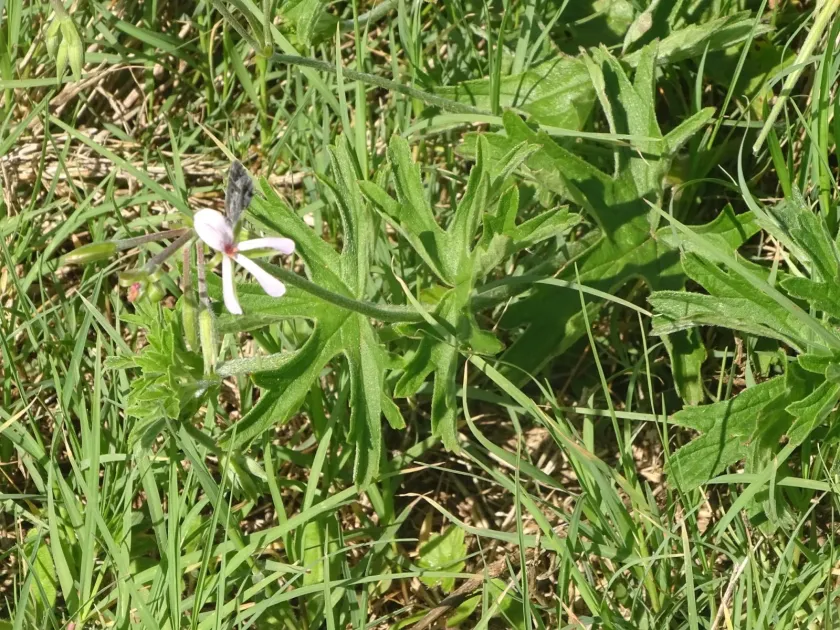
Description
Sowing dates
Propagating Pelargonium alchemilloides is best achieved through seeds or stem cuttings. Seed sowing is typically scheduled for late winter, allowing the plants to establish a robust root system before the onset of summer.
Seeds should be placed in a light, well-draining potting mix. Maintaining a consistent temperature between 20 and 22 degrees Celsius is essential for uniform germination of the seeds.
Cuttings can be taken during the growing season to clone desirable traits. It is crucial to use sterile tools and a clean rooting medium to minimize the risk of bacterial contamination during the propagation process.
Once cuttings have developed roots, they should be moved to individual pots. This transition helps the plant develop a structured root system, which is vital for long-term health and vigor.
Hardening off the seedlings is a necessary step before moving them to their permanent outdoor location. Gradually exposing the plants to ambient conditions prevents transplant shock and ensures better survival rates.
Growing requirements
Belonging to the Geraniaceae family, this species originates from South Africa. It thrives in sunny environments, making it an excellent candidate for well-lit garden borders or container arrangements.
The soil must be well-draining, as this species is susceptible to root rot if left in waterlogged conditions. Adding perlite or coarse sand to the substrate helps maintain proper aeration.
Temperature requirements are moderate; the plant prefers warm conditions and must be protected from frost. In cooler climates, it is often grown as an annual or moved indoors for the winter months.
Watering should be balanced, allowing the soil to dry out partially between sessions. Overwatering is the most common mistake made by beginners, which often leads to poor development and foliage loss.
Regular fertilization with a balanced, water-soluble fertilizer supports continuous growth. A phosphorus-rich formula encourages bloom production and maintains the plant's structural integrity throughout the season.
Main diseases and pests
Fungal infections, specifically gray mold (Botrytis), pose the most significant threat to the plant, particularly in humid or stagnant air environments. Good air circulation is the best preventative measure.
Root rot is a common issue caused by poor drainage or excessive soil moisture. Once established, it is difficult to treat, making preventative soil management and proper watering crucial for plant safety.
Pests such as spider mites and whiteflies can infest the foliage, particularly when the plant is under drought stress. These pests feed on plant juices, weakening the overall structure of the species.
Mealybugs may also appear in the leaf axils. Physical removal or the application of insecticidal soap is usually effective if caught early, preventing the infestation from spreading to other plants.
Monitoring the plant for discoloration or wilting allows for early intervention. Prompt removal of damaged leaves and the use of appropriate pest control measures will help maintain plant health.