
Pelargonium articulatum
Pelargonium articulatum
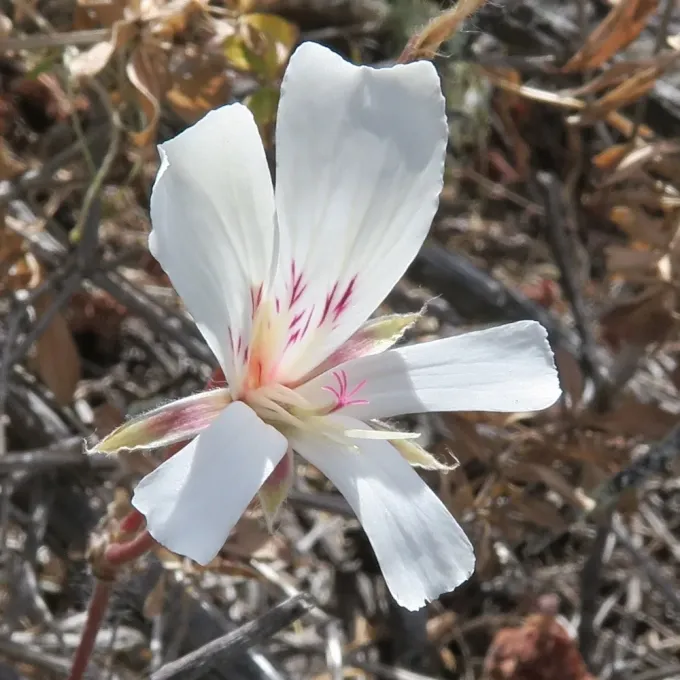
Description
Sowing dates
Pelargonium articulatum is best propagated through stem cuttings, which ensure the retention of specific growth habits. Cuttings should be taken during the active growth season for better rooting success.
Seed propagation involves sowing in a lightweight, well-draining medium. Seeds require consistent warmth and moisture to germinate, usually occurring within two to three weeks under controlled conditions.
Once seedlings have developed their true leaves, they should be transplanted into individual pots. Providing adequate spacing is essential to prevent overcrowding and ensure air circulation among the young plants.
Light intensity is the primary driver of successful seedling development. Supplemental lighting is often used in professional nursery settings to maintain compact growth patterns.
Rooting hormones can be utilized to improve the rate of establishment for cuttings, especially when working with woody-based stems typical of this species. Sterile conditions during this phase are crucial.
Growing requirements
As a member of the Geraniaceae family native to South Africa, this species thrives in environments with high light exposure. It is highly adapted to sunny conditions and performs poorly in low-light environments.
The soil profile must be characterized by excellent aeration and drainage. Heavy soils that retain moisture for too long pose a significant risk of root decay to this specific pelargonium.
Watering should be approached with caution, following a cycle of allowing the substrate to dry out between applications. This mimics the natural rainfall patterns of its native habitat.
Fertilization regimes should prioritize moderate amounts of phosphorus and potassium to support foliage health and flower production during the active spring and summer months.
Temperature control during the winter dormant phase is vital for the plant's long-term health. Keeping it in a cool, bright area prevents excessive growth and encourages a natural rest period.
Main diseases and pests
Spider mites are the most common pest, thriving in dry and stagnant air. Regular monitoring and the application of neem oil or specific miticides are effective control measures.
Whiteflies can cause significant damage by sucking sap from the foliage, leading to yellowing and plant weakness. Greenhouse management usually includes yellow sticky traps to detect early infestations.
Fungal pathogens such as Pythium or Rhizoctonia are the leading causes of stem and root rot. These are primarily associated with overwatering and poorly draining soil mixes.
Botrytis, or gray mold, can affect the leaves and flowers if humidity levels rise too high without adequate ventilation. Pruning off damaged tissue promptly stops the spread of the fungus.
Integrated pest management, including regular sanitation and proper spacing, is the standard approach for maintaining healthy collections of Pelargonium articulatum in professional agriculture.