
Pelargonium alternans
Pelargonium alternans
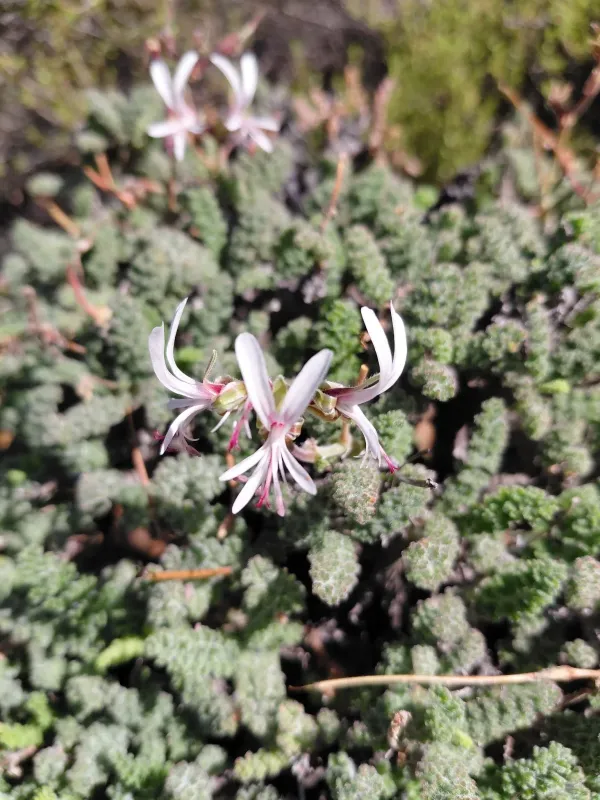
Description
Sowing dates
Propagation of Pelargonium alternans is typically achieved through seed sowing or stem cuttings in the spring. Seeds require a fast-draining, sandy medium to prevent damping-off.
When using cuttings, it is essential to allow the cut surface to callus over for at least 24 hours in a dry place before placing it into the rooting substrate.
Optimal germination temperatures range between 20°C and 22°C. Consistent but moderate moisture is required until the seedlings are well-established.
Transplanting seedlings should be done with care to avoid root disturbance, as this species is sensitive to mechanical damage during its early growth stages.
Using seed trays with individual cells allows for better root development and easier handling of young plants before they are transferred to permanent pots.
Growing requirements
As a member of the Geraniaceae family, this succulent species originates from arid environments in Southern Africa and thrives in poor, rocky, or sandy soils.
This plant requires full sun exposure to maintain its characteristic compact form; insufficient light will cause the stems to become etiolated and weak.
The watering regime must be strictly controlled, allowing the soil to dry out completely between waterings to prevent the development of root rot diseases.
Temperature management is critical; during the dormant winter period, the plant needs cool conditions and minimal water to remain in a healthy physiological state.
Fertilization should be kept to a minimum, using low-nitrogen, high-potassium formulas to encourage strong cell structure rather than excessive succulent foliage growth.
Main diseases and pests
Root rot is the most significant threat to Pelargonium alternans, usually caused by overwatering or poorly draining soil mixtures that harbor pathogens.
Pests such as mealybugs and spider mites are common in indoor or greenhouse settings where air circulation may be inadequate or conditions become too stagnant.
Prevention relies on ensuring high levels of ventilation and keeping the plant environment free from excessive humidity, especially during the dormant season.
If an infestation occurs, targeted chemical treatments are effective, but care must be taken to avoid damaging the waxy cuticle of the succulent stems.
Monitoring for any signs of discoloration at the base of the plant is vital, as early detection of fungal issues is the only way to save affected specimens.