
Pelargonium scabrum
Pelargonium scabrum
Description
Growing requirements
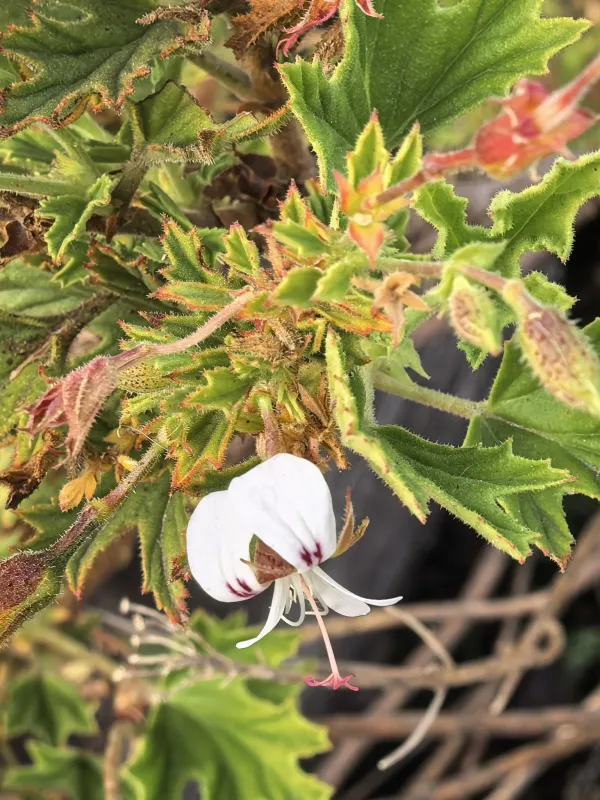
Pelargonium scabrum, commonly known as the rough-leaved geranium, is a perennial shrub species belonging to the Geraniaceae family. Native to South Africa, it is well-adapted to Mediterranean-type climates and rocky, nutrient-poor substrates.
The plant features upright, woody stems with distinctively rough, textured leaves that release a sharp, resinous lemon scent when crushed. Its botanical structure is well-suited for arid environments, making it a robust specimen if managed correctly.
Climate requirements include full sun exposure for optimal growth and flowering. It is not frost-hardy and requires protection from extreme cold; in many regions, it is cultivated in greenhouses or as a potted plant.
Regarding soil, it demands excellent drainage. Waterlogged soil is lethal to the root system, so agricultural practices must prioritize high-permeability mixes that allow roots to dry out between irrigation cycles.
Host plant utilization includes ornamental display and potential use in the essential oil industry. Its unique aromatic profile makes it an interesting subject for botanical research and specialized horticulture.
Main diseases and pests
Pathogen risks are primarily dominated by fungal infections such as root rot and stem rot. These diseases are directly related to improper irrigation strategies and high ambient humidity levels in the growing area.
Pest pressures often come from sap-sucking insects, particularly whiteflies and spider mites. These pests thrive in dry indoor conditions and can cause significant foliage damage if left unchecked.
Integrated pest management (IPM) is recommended for larger scale production. This involves biological controls, regular monitoring, and the application of targeted insecticides only when thresholds are exceeded.
Powdery mildew is another major threat that manifests as a white, dusty layer on leaves. Improved spacing between plants to enhance airflow is the most effective preventative measure against this fungal disease.
Effective management requires strict sanitation protocols, including the removal of dead plant debris and the disinfection of tools to prevent the transmission of bacteria and fungal spores throughout the crop.