
Pelargonium rodneyanum
Pelargonium rodneyanum
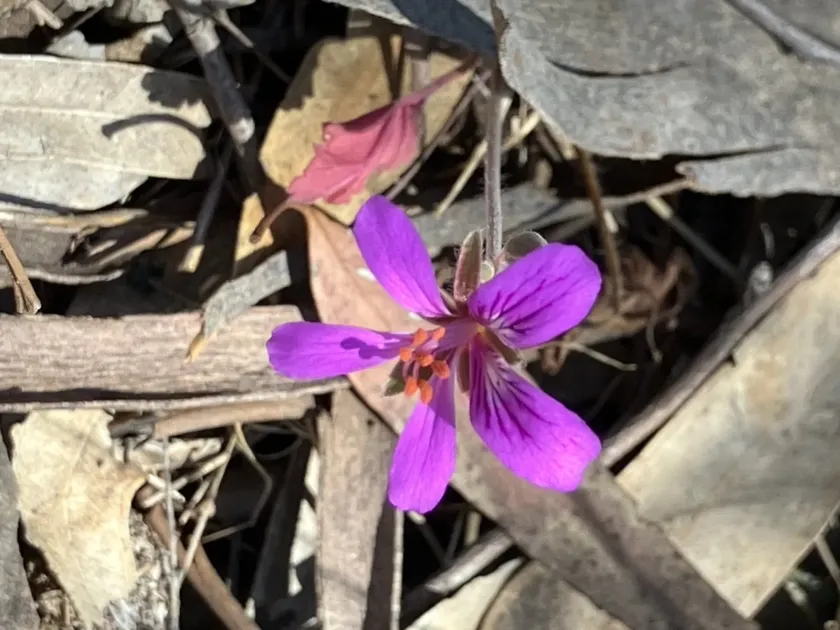
Description
Growing requirements
Pelargonium rodneyanum is a perennial herbaceous plant belonging to the Geraniaceae family. Native to Australia, it is specifically adapted to open woodlands and rocky outcrops, reflecting its natural preference for well-draining environments.
Botanically, the species is distinguished by its caudex-like root system, which allows it to survive seasonal droughts. This morphological trait makes the plant relatively drought-tolerant once established, provided it receives sufficient light for photosynthesis.
The cultural requirements dictate a sunny exposure with at least six hours of direct sunlight per day. In container cultivation, it is essential to use a high-quality, porous potting mix containing perlite or grit to facilitate rapid drainage.
Temperature management is crucial, as the plant is not frost-hardy. It thrives in temperate conditions, and during the dormant winter period, the plant requires cooler temperatures and a significant reduction in watering to prevent rot.
In terms of usage, it is highly valued by collectors and enthusiasts of Australian flora. Its compact growth habit and vibrant inflorescences make it an excellent candidate for rock gardens and protected outdoor containers in mild climates.
Main diseases and pests
The primary threat to Pelargonium rodneyanum is root rot caused by stagnant water in the root zone. Overwatering, especially during cooler or overcast weather, is the most common cause of plant failure in garden settings.
Pests such as aphids and spider mites are frequent invaders of this species. Aphids tend to attack the soft tissues of new shoots and flower buds, while spider mites proliferate in dry, warm conditions, causing stippling on the leaves.
Fungal diseases like powdery mildew can affect the foliage if the air circulation is inadequate. Ensuring proper spacing between plants and avoiding overhead irrigation can significantly mitigate the risk of infection.
Whiteflies can also present a management challenge in greenhouses or indoor environments. Their presence is often identified by the sticky honeydew residue on the leaves, which can promote the growth of sooty mold.
Effective management strategies include integrated pest control, ensuring optimal air circulation, and performing regular pruning to remove any withered or infected plant parts to maintain overall plant vigor.