
Pelargonium ranunculophyllum
Pelargonium ranunculophyllum
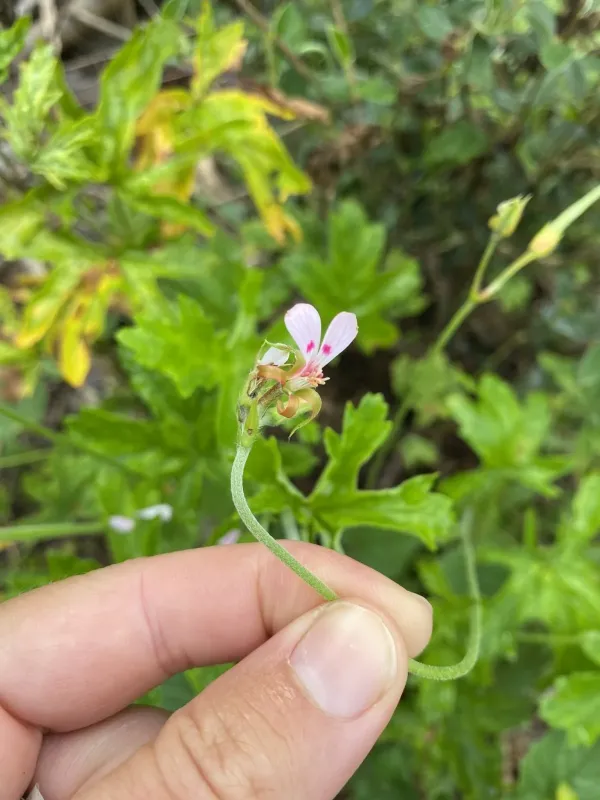
Description
Growing requirements
Pelargonium ranunculophyllum is a perennial herbaceous plant belonging to the Geraniaceae family. This species is distinguished by its unique, deeply lobed leaves that resemble those of a buttercup, making it a valuable subject for specialized horticulture.
Native to the mountainous terrains of South Africa, this plant has evolved to withstand cool, well-ventilated environments with periodic moisture. It is best suited for pot cultivation or greenhouse production where environmental factors can be strictly controlled.
Agronomically, the crop demands high-quality, well-drained substrate. A mixture of peat, perlite, and sand is recommended to ensure optimal root aeration and to prevent waterlogging, which is a common cause of failure for this species.
The plant thrives in bright, filtered light. While it tolerates direct morning sun, protection from intense afternoon heat is necessary to maintain foliage color and plant vigor. Consistent temperatures between 18 and 22 degrees Celsius are ideal.
Cultural practices include a balanced fertilization program applied during the active growth phase. Growers should prioritize phosphorus and potassium intake to support root development and flower production, while minimizing excess nitrogen.
Main diseases and pests
The primary threats to Pelargonium ranunculophyllum are fungal pathogens, specifically those causing foliar spots and stem decay. Botrytis cinerea is particularly problematic during periods of high humidity and stagnant air.
Root rot pathogens, such as Phytophthora and Pythium species, pose a significant risk in commercial nurseries. Maintaining strict sanitation of tools and pots is the most effective preventative measure against these soil-borne organisms.
Pest management focuses on common greenhouse invaders, including spider mites and aphids. These pests can rapidly infest the delicate foliage, causing chlorosis and stunting the growth of the plant if left untreated.
Biological control agents, such as predatory mites, are often preferred in professional settings to manage pest populations without excessive chemical use. Regular monitoring is vital for early detection of potential outbreaks.
Effective crop management requires a multi-faceted approach, combining environmental control, regular scouting, and the strategic application of fungicides or insecticides only when economic thresholds are met.