
Oak-leaved pelargonium
Pelargonium quercetorum
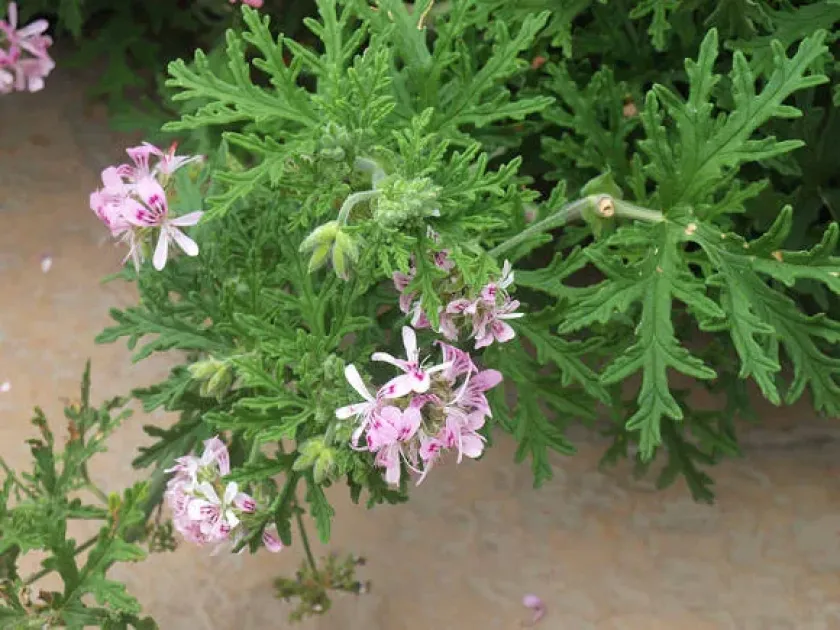
Description
Growing requirements
The Oak-leaved pelargonium (Pelargonium quercetorum) is a member of the Geraniaceae family. It is a perennial subshrub characterized by its distinct foliage shape and aromatic glands that secrete essential oils, making it a valuable ornamental and aromatic plant.
Native to the mountainous regions of South Africa, this species has adapted to specific climatic conditions. For optimal growth, it requires abundant sunlight, which ensures the development of vibrant foliage and strong stems suitable for its vegetative cycle.
The crop thrives in well-drained, porous soils with a slightly acidic to neutral pH level. Proper drainage is essential to prevent waterlogging, which is the primary cause of root system decline and plant mortality in cultivation environments.
Temperature management is critical during the growing season. The plant performs best in temperatures ranging from 18°C to 25°C. During the dormant period, a cooler environment with temperatures near 10°C is highly beneficial for the plant's long-term health.
Cultural practices include moderate watering and balanced fertilization. During the active growth phase, liquid fertilizers high in potassium are often utilized to promote foliage health and enhance the natural aromatic properties of the leaves.
Main diseases and pests
Key fungal threats include grey mold (Botrytis) and root rot, often triggered by poor aeration or excessive irrigation. These conditions weaken the plant structure and require immediate corrective action, such as adjusting the moisture levels.
Insect pests commonly include the two-spotted spider mite, which thrives in low-humidity conditions, and the whitefly. These pests cause significant damage by piercing leaf tissues and extracting vital nutrients from the plant.
Integrated pest management strategies are recommended for the Oak-leaved pelargonium. This includes maintaining optimal humidity, providing adequate space for air circulation between pots, and using targeted biological control agents when necessary.
To prevent disease outbreaks, growers must ensure that the cultivation area is kept clean, with regular removal of dead leaves and organic debris. Sterilizing tools and planting media is a fundamental prerequisite for successful crop health.
If chemical interventions are necessary, application should be handled according to strict safety guidelines to protect the integrity of the plant and surrounding environment. Periodic inspections of the leaf undersides remain the most effective preventative measure.