
Pelargonium praemorsum
Pelargonium praemorsum
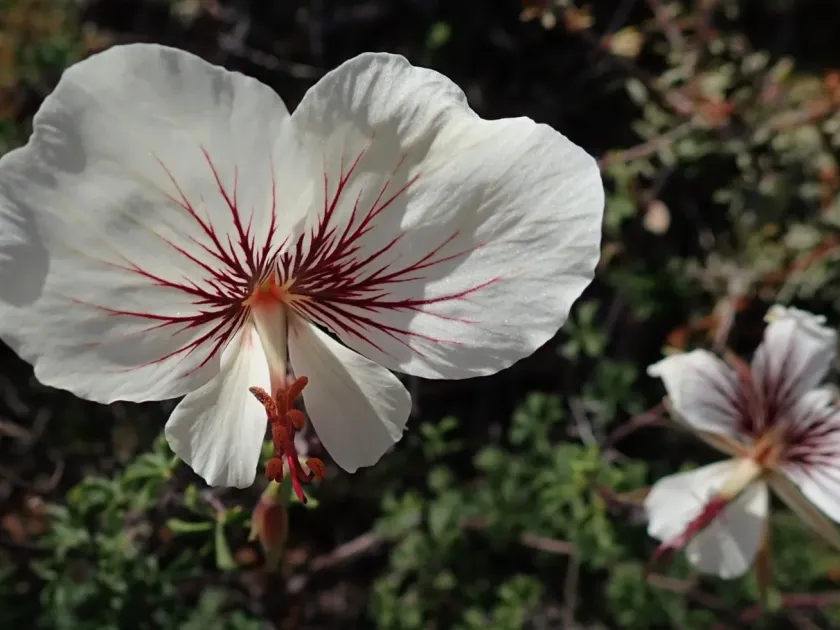
Description
Sowing dates
Propagation of this species is typically achieved through stem cuttings during the active growing season. This method ensures that the offspring maintain the exact characteristics of the parent plant, which is crucial for botanical collections.
Seed sowing requires fresh material sown in a light, sandy substrate. Maintaining a temperature range of 20–22 degrees Celsius and high humidity under a cover is essential for successful germination of the seeds.
Seedlings should be pricked out into individual small containers once the first set of true leaves develops. This spacing prevents overcrowding and encourages the development of a healthy root structure from an early stage.
Cuttings should be approximately 10 centimeters in length and allowed to callus for several hours before being inserted into a moist rooting medium to prevent rotting at the cut surface.
Rooting typically takes several weeks in a bright, sheltered environment. Regular monitoring of the moisture content in the rooting medium is necessary to ensure successful establishment of the young plants.
Growing requirements
Pelargonium praemorsum, a member of the Geraniaceae family, originates from the arid regions of South Africa. As such, it is naturally adapted to high light intensity and periods of limited water availability.
The plant thrives in well-draining, slightly acidic to neutral soils. In containers, a mixture of horticultural sand, grit, and loam provides the necessary aeration to prevent the root suffocation that often affects this genus.
Temperature management is key: during the summer, the plant prefers warm conditions, while in winter, it requires a distinct cool resting period at temperatures around 10–15 degrees Celsius to stimulate future flowering.
Watering should be conducted cautiously. It is best to allow the substrate to dry out significantly between watering sessions, as the plant is sensitive to waterlogged conditions which rapidly lead to decay.
Feeding should be moderate during the peak growing phase using balanced fertilizers. Excess nitrogen should be avoided to prevent leggy growth and to maintain the compact, ornamental habit of the plant.
Main diseases and pests
The most common health issues involve fungal pathogens such as Botrytis and root rot, which are primarily triggered by high humidity, poor air circulation, and stagnant water within the root zone.
Pest management focuses on controlling spider mites, which thrive in dry conditions, and whiteflies. Early detection and the use of targeted insecticides or mechanical cleaning are recommended to keep infestations at bay.
Maintaining a clean growing environment by removing dead or yellowing leaves reduces the spread of fungal spores and minimizes the hiding spots for common greenhouse pests throughout the growing season.
Regular inspection of the foliage is necessary to detect early signs of stress, whether caused by pests, nutrient deficiencies, or suboptimal environmental conditions that might compromise the plant's health.
Integrating good horticultural practices, such as proper spacing and strict adherence to irrigation protocols, is the most effective defense against the most common threats to this particular species.