
Scented geranium
Pelargonium odoratissimum
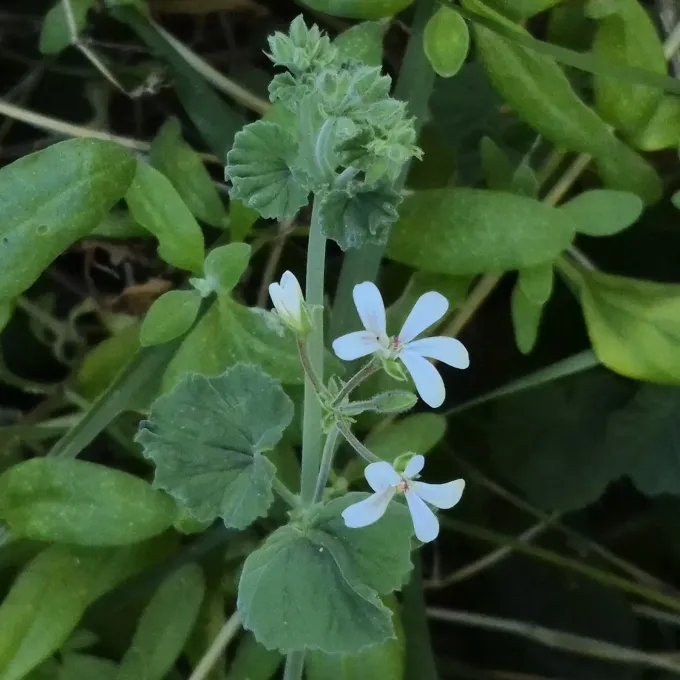
Description
Sowing dates
Scented geranium is primarily propagated through stem cuttings to ensure the plant retains its distinct aromatic qualities. The best time for taking cuttings is late winter or early spring, allowing the plant to establish roots before the active growth phase.
Cuttings should be approximately 3 to 4 inches long and placed in a well-draining rooting medium such as a mix of perlite and peat. High humidity and indirect light are essential for successful rooting during the first few weeks.
Seed propagation is possible but less common for commercial purposes. Seeds should be sown in early spring in a sterile starter mix, kept at a constant temperature of about 70 degrees Fahrenheit for optimal germination.
Once seedlings have developed their first true leaves, they should be transplanted into individual pots. Providing adequate space is crucial to prevent leggy growth and promote a bushy, healthy structure.
Hardening off young plants is necessary before moving them outdoors. This process involves gradually exposing the plants to outside temperatures and wind to reduce transplant shock.
Growing requirements
Belonging to the Geraniaceae family, Pelargonium odoratissimum thrives in environments that mimic its native South African habitat. It requires abundant sunlight, ideally at least six hours of direct light daily, to maximize oil production.
Well-draining, slightly sandy soil is the standard requirement. In containers, a commercial potting mix amended with extra perlite or pumice is recommended to prevent waterlogging and root rot, which are common issues.
The ideal growing temperature ranges from 65 to 75 degrees Fahrenheit. During the winter, the plant benefits from a cool dormant period with temperatures between 50 and 55 degrees to encourage future flowering.
Watering should be done thoroughly but only when the top inch of soil feels dry to the touch. Avoid overhead watering as it can encourage fungal growth on the leaves and stems.
Fertilization with a balanced, water-soluble fertilizer is beneficial during the active growing season. Avoid high-nitrogen formulas, as they tend to promote excessive foliage at the expense of aromatic potency.
Yield
The yield of scented geranium is primarily measured by the volume of fresh foliage collected for essential oil extraction. Consistent pruning is the key to maximizing harvestable biomass throughout the growing season.
Frequent pinching of the growing tips forces the plant to branch out, resulting in a fuller, more productive bush. This method ensures a larger surface area of leaves, which are the primary source of essential oils.
For industrial extraction, harvest should occur just as the plant reaches full leaf development. Harvesting at the correct physiological stage ensures the highest concentration of volatile aromatic compounds.
Plants generally become more productive in their second and third years. Regular rejuvenation pruning is recommended to maintain vigorous growth and prevent the centers of the plants from becoming woody and unproductive.
Environmental factors such as sun exposure and moisture balance significantly impact the yield. Optimal conditions result in multiple harvests per season, significantly increasing total production per square meter.
Main diseases and pests
Spider mites and whiteflies are the most common pests that affect scented geraniums. They thrive in dry, warm environments and can quickly infest a crop if not monitored regularly.
Root rot is the most dangerous condition for this plant, almost always caused by poor drainage or overwatering. Once root rot sets in, it is difficult to save the plant, making prevention via proper watering critical.
Powdery mildew may appear as a white, dusty layer on the foliage, typically during periods of high humidity and poor air circulation. Proper spacing between plants is an effective preventative measure.
Aphids can target young, tender growth, causing distortion and yellowing. Regular inspections and the use of insecticidal soap or neem oil are usually effective in keeping populations under control.
Maintaining a clean growing environment is vital for long-term health. Removing fallen debris and dead foliage helps reduce the risk of secondary infections and pest habitats.
Harvesting
Harvesting is performed by cutting the stems or individual leaves. It is important to leave enough foliage on the plant to ensure it can continue photosynthesizing and regenerating new growth.
Once harvested, the plant material must be processed immediately. Because the aromatic oils are highly volatile, any delay between harvesting and distillation can result in a significant loss of quality.
For smaller culinary or household uses, the leaves can be air-dried in a cool, shaded, well-ventilated area. Properly dried leaves can retain their scent for several months when stored in airtight containers.
Post-harvest care involves a light application of fertilizer to support the plant's recovery. This ensures that the next harvest cycle remains productive and the plant stays healthy throughout the season.
Harvesting tools should be sanitized regularly to prevent the spread of diseases between different sections of the crop. Sharp tools ensure clean cuts, which heal faster and reduce stress on the plant.