
Myrrh-leaved pelargonium
Pelargonium myrrhifolium
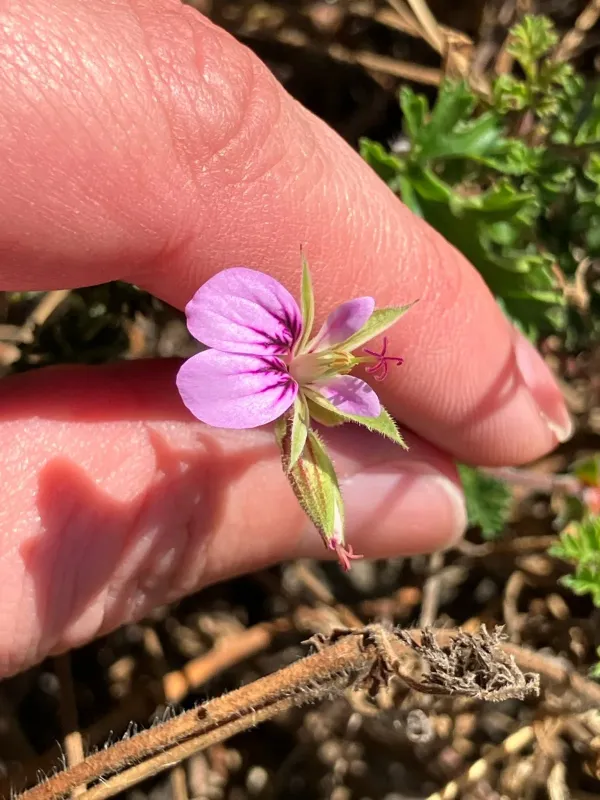
Description
Sowing dates
Pelargonium myrrhifolium, a member of the Geraniaceae family, is typically propagated through seeds or stem cuttings. Sowing seeds in a controlled environment during late winter or early spring provides sufficient time for seedlings to establish before the main growing season.
The growing medium for germination should be lightweight and well-drained, ideally consisting of a mix of peat and perlite. Maintaining a steady temperature between 20 and 22 degrees Celsius is crucial for consistent seed germination rates.
For vegetative propagation, healthy semi-hardwood cuttings should be taken during the late summer. This timing ensures that the plant has ample energy reserves to develop a robust root system before entering its semi-dormant winter phase.
Once cuttings are rooted, they should be transplanted into individual pots to avoid overcrowding. Proper spacing is essential, as good airflow is a primary defense against the development of foliage diseases that are common in dense plantings.
During the initial growth stages, seedlings require high-intensity light to prevent leggy growth. Supplementary lighting may be used in indoor settings to ensure the plants maintain a compact and healthy growth habit.
##requirements##Native to the diverse landscapes of South Africa, this species thrives in bright, direct sunlight. Providing at least six hours of full sun per day is recommended to encourage optimal foliage development and flowering performance.
The soil should be fertile and exhibit excellent drainage characteristics. While the plant can tolerate various soil textures, heavy clay soils that retain excess water should be amended with organic matter or grit to prevent waterlogging.
Temperature management is key for the long-term success of the plant. It prefers daytime temperatures between 18 and 25 degrees Celsius and should be protected from frost, which can cause irreparable cellular damage to the stems and leaves.
Watering practices must be disciplined, allowing the substrate to dry out partially between applications. Overwatering is the most common cause of failure, leading to root asphyxiation and eventual collapse of the root system.
In terms of nutrition, a balanced, water-soluble fertilizer applied every two weeks during the active growth period will support healthy development. Avoiding excessive nitrogen levels prevents the plant from producing too much foliage at the expense of floral buds.
Main diseases and pests
Root rot is the most significant threat to Pelargonium myrrhifolium, usually triggered by poor drainage or overly frequent irrigation. If detected early, the affected parts should be pruned, and the plant should be repotted in fresh, dry soil.
Powdery mildew often appears during periods of high humidity or stagnation of air. Improving air circulation and applying fungicidal treatments containing copper or sulfur are effective methods to manage and eradicate this fungal infection.
Spider mites are common pests that thrive in dry indoor climates. These pests feed on cell contents, causing the foliage to turn yellow or speckled; regular misting or treatment with horticultural oil can keep their populations in check.
Whiteflies and aphids can also be problematic, especially in enclosed environments. Regular monitoring of the undersides of leaves and the application of insecticidal soaps or systemic treatments provide reliable control against these sap-sucking insects.
Maintaining a clean growing area by removing fallen leaves and debris is a fundamental cultural practice. This reduces the risk of pathogens finding a site for colonization, thereby keeping the plants healthy throughout the year.