
Pelargonium mollicomum
Pelargonium mollicomum
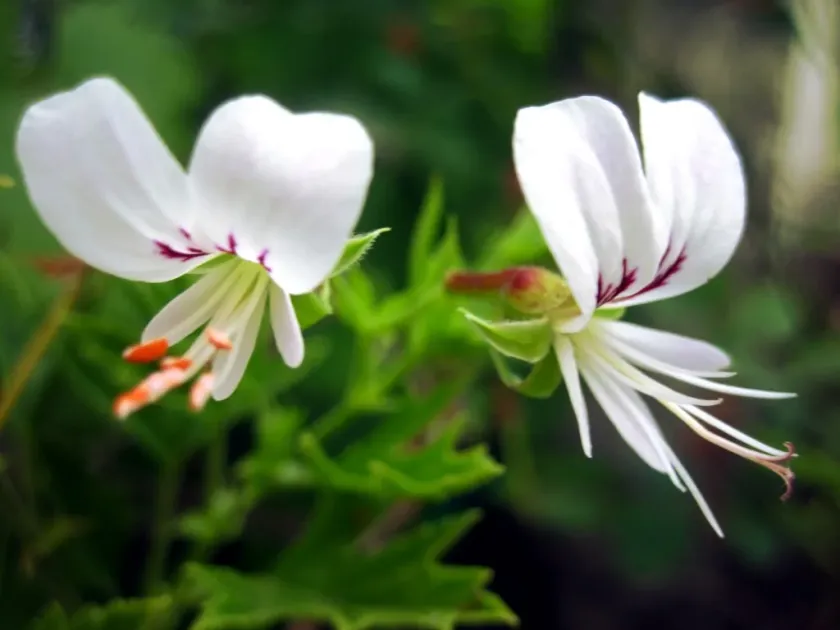
Description
Growing requirements
Pelargonium mollicomum is a perennial subshrub belonging to the Geraniaceae family, native to South Africa. It is characterized by its soft, velvety foliage and distinct aromatic properties that make it a favorite for scent-oriented horticulture.
In terms of agricultural and horticultural requirements, it thrives in well-draining, nutrient-rich soil. Proper aeration is crucial to prevent root zone suffocation, which is essential for this species' long-term survival.
The plant requires a significant amount of light to maintain its structural integrity. Ideally, it should be placed in areas with bright, indirect sunlight to ensure dense growth and proper leaf development.
Temperature management is vital, with an ideal range of 18–24°C during the active growing season. During the winter, the plant benefits from a cooler dormant period, preferably around 10–12°C, which helps in flowering induction.
Watering should be balanced; it is essential to allow the soil to dry out significantly between irrigation sessions to avoid waterlogging and subsequent root decay.
Main diseases and pests
Botrytis cinerea, commonly known as gray mold, is a significant threat to Pelargonium mollicomum, particularly when humidity levels are kept too high with poor airflow.
Root rot caused by various soil-borne pathogens remains a primary cause of plant death, usually triggered by poor drainage or excessive soil moisture.
Whiteflies are common pests that thrive in warm indoor environments, colonizing the undersides of the leaves and weakening the plant through sap extraction.
Spider mites are another major concern, especially in environments with low humidity, where they cause foliage discoloration and loss of plant vigor.
Aphids can also infest the tender shoots of the plant, potentially transmitting viral diseases and requiring targeted management through integrated pest control strategies.