
Madagascar pelargonium
Pelargonium madagascariense
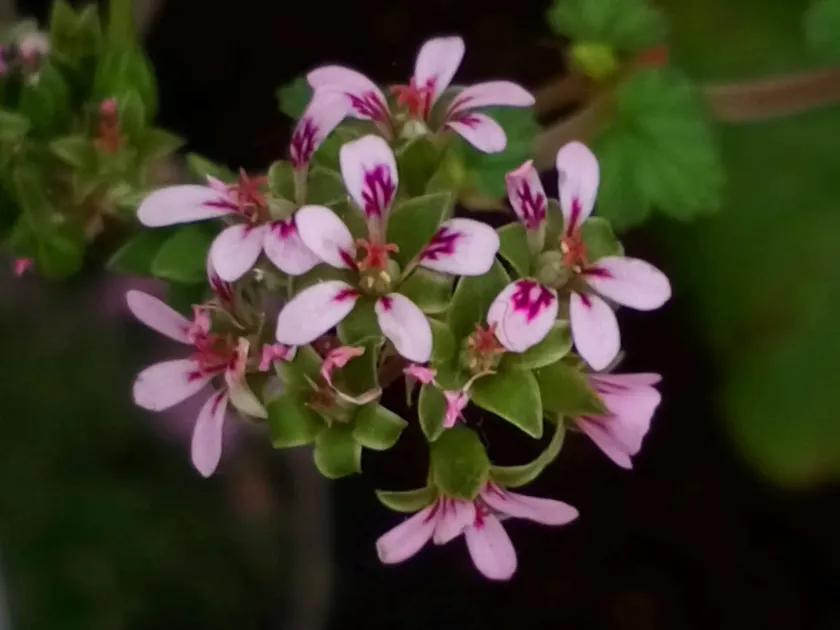
Description
Growing requirements
Madagascar pelargonium (Pelargonium madagascariense) is a member of the Geraniaceae family. Native to Madagascar, this perennial herb is primarily adapted to mountainous regions, exhibiting a unique morphology distinct from common garden geraniums.
Botanically, the plant features rounded, slightly pubescent leaves and delicate inflorescences. It is recognized for its ability to adapt to rocky substrates, which dictates its preference for well-draining, porous soil types in cultivation settings.
Climate requirements include a stable, warm environment with temperatures ranging from 18°C to 25°C. As a non-hardy species, it must be protected from frost and freezing temperatures, typically grown as a pot plant or in a greenhouse environment.
Agricultural practice for this species focuses on providing bright, indirect light to maintain its compact habit and prevent stem elongation. Watering should be carried out only when the top layer of the substrate has dried out to prevent root decay.
The main use of this plant is ornamental, highly prized by enthusiasts of rare succulents and xerophytic flora. Its limited availability makes it a target for botanical research and preservation within private collections.
Main diseases and pests
Root rot is the most critical threat to the health of the plant, often resulting from overwatering or poorly aerated soil. Maintaining a strict irrigation schedule is the most effective preventative measure against fungal pathogens.
Spider mites are common pests that thrive in low-humidity environments. They cause stippling on the leaves and can lead to significant aesthetic damage, necessitating regular leaf inspections and humidity management.
Powdery mildew can occur in stagnant air conditions or high-humidity environments. The appearance of a dusty white coating requires immediate improvement of airflow and the application of appropriate antifungal treatments.
Whiteflies are a persistent threat, extracting phloem sap and weakening the plant. Their presence often leads to secondary infections such as sooty mold, which impairs the plant's ability to photosynthesize effectively.
Aphid infestations are frequently observed on young, tender growth during the peak growing season. Manual removal or the application of insecticidal soaps is usually sufficient for small-scale management of these insects.