
Pelargonium luridum
Pelargonium luridum
Description
Growing requirements
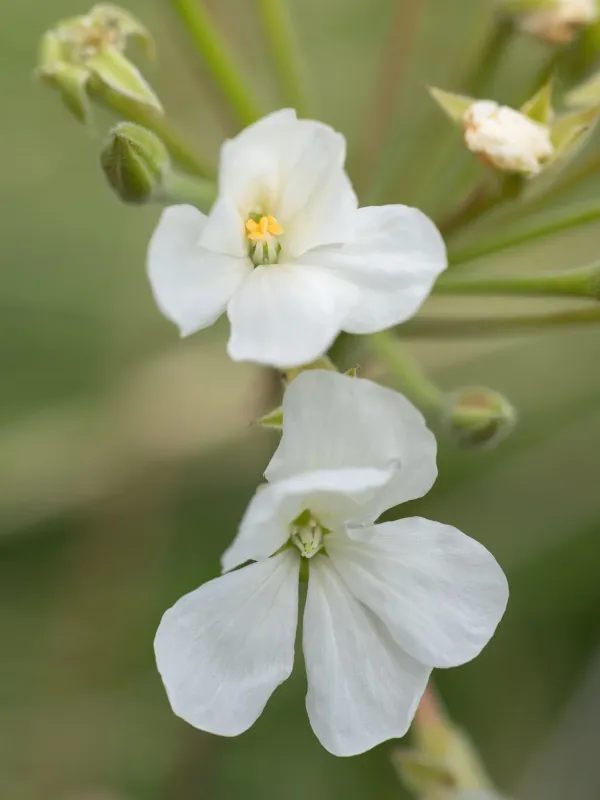
Pelargonium luridum is a perennial herbaceous plant belonging to the Geraniaceae family. Native to the grasslands of Southern Africa, this species is well-adapted to environments with distinct dry and wet seasons.
The plant is characterized by a large, tuberous rootstock which functions as a storage organ, allowing it to regenerate after wildfires or extended periods of environmental stress.
In terms of cultivation, it requires well-drained, sandy loam soils to prevent root rot. It thrives in full sun exposure, which promotes compact growth and healthy root development.
The plant has specific thermal requirements, preferring moderate to high temperatures during the active growth phase and cooler, drier conditions during the dormancy period.
Beyond its ornamental appeal, the species holds significant interest for its pharmacological properties, particularly the traditional use of its roots in indigenous medicine systems.
Main diseases and pests
The most significant threats to Pelargonium luridum involve fungal infections such as Pythium and Rhizoctonia, which are exacerbated by poor drainage and excessive moisture.
Pests such as spider mites and aphids are common in both greenhouse and open-field environments, often appearing when the plants are under heat stress.
Effective management requires strict adherence to irrigation schedules and ensuring proper airflow around the plants to prevent microclimates favorable for pathogens.
Integrated pest management strategies, including biological control agents, should be prioritized to maintain the chemical integrity of the plant for medicinal uses.
Maintaining a clean growing environment and removing decaying organic matter are essential steps to minimize the risk of infestation and disease spreading.