
Pelargonium laxum
Pelargonium laxum
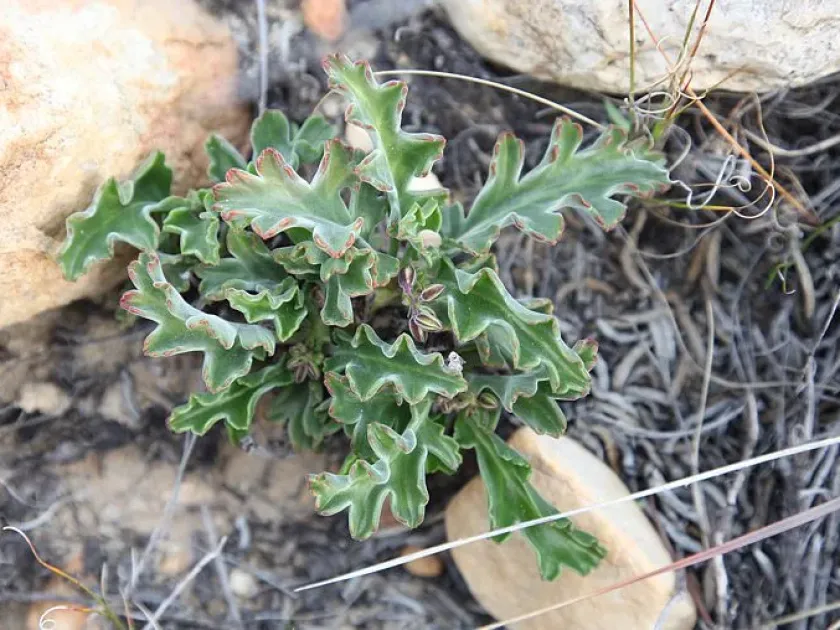
Description
Growing requirements
Pelargonium laxum is a perennial succulent shrub belonging to the Geraniaceae family. The plant is botanically adapted to survive in harsh arid environments by storing moisture in its thickened stems and root systems.
Native to the dry regions of Southern Africa, this species thrives in well-drained, nutrient-poor, and gritty soils. In an agricultural setting, it is essential to replicate these conditions by using sandy or mineral-rich substrates to avoid water retention.
The crop requires high levels of solar exposure to maintain its characteristic morphology. Insufficient lighting causes the stems to etiolate, making the plant brittle and prone to structural failure.
Watering frequency should be minimized, allowing the soil to dry out completely between sessions. During the winter dormancy, the plant requires very low levels of irrigation to prevent root rot triggered by cold and damp conditions.
The ideal temperature range is moderate throughout the growing season. Proper air circulation is vital, as stagnant air increases the probability of fungal infestations, especially in controlled environment facilities.
Main diseases and pests
Root rot is the primary threat to Pelargonium laxum. Pathogens thrive in over-watered soils, quickly compromising the root system and causing the plant to collapse from the base upwards.
Spider mites are common pests that flourish in dry and warm indoor conditions. They feed on the underside of the leaves, leading to chlorosis and eventual tissue death if left unmanaged.
Mealybugs are known to colonize the stems and leaf axils, drawing sap from the plant and causing stunted growth. Manual removal combined with targeted insecticide treatments is recommended for control.
Fungal leaf spot diseases can occur if the foliage remains wet for extended periods. Avoiding overhead watering is a key agricultural practice for maintaining the health of the plant canopy.
Whiteflies may appear during periods of high humidity or poor sanitation in the greenhouse. Implementing a consistent Integrated Pest Management (IPM) program is the best way to keep populations below economic damage thresholds.