
Scarlet pelargonium
Pelargonium inquinans
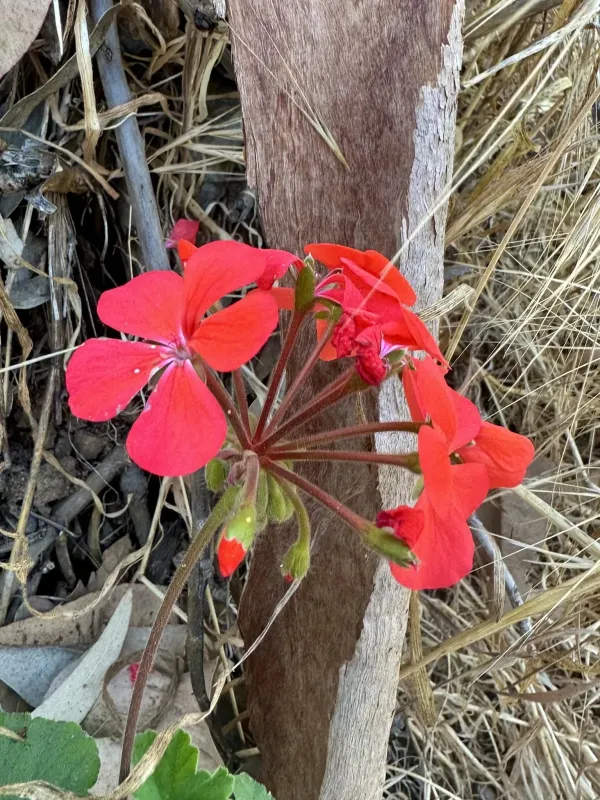
Description
Growing requirements
Scarlet pelargonium (Pelargonium inquinans) is a perennial subshrub belonging to the Geraniaceae family. It is native to the Eastern Cape of South Africa and is highly valued as a foundational species in the hybridization of modern garden geraniums.
The plant thrives in full sun exposure, which is essential for maintaining its compact habit and vibrant bloom production. In temperate climates, it is typically cultivated as a pot plant or an annual bedding plant, as it cannot withstand frost or freezing temperatures.
Well-drained, sandy-loam soil is ideal for this crop. It requires a balanced nutrient profile; excessive nitrogen leads to rapid, weak vegetative growth at the expense of flower development, which reduces the market value of the plants.
Water management should be strict; the growing medium should be allowed to dry slightly between irrigation sessions. Poor aeration in the root zone is a common cause of plant failure, making the use of high-quality, porous substrates essential for success.
Propagation is primarily achieved via vegetative cuttings. This ensures uniformity in the offspring, which is crucial for commercial nurseries aiming to produce consistent plant batches for the floral industry.
Main diseases and pests
Aphids and whiteflies are the most frequent pests observed in Pelargonium inquinans crops. Integrated pest management strategies, including the use of sticky traps and biological control agents, are recommended to maintain high-quality commercial standards.
Botrytis blight is the most significant disease challenge, especially in high-density greenhouse environments. Reducing humidity through proper air circulation and maintaining sanitary conditions by removing fallen leaves are key steps in mitigating fungal disease outbreaks.