
Odorless pelargonium
Pelargonium inodorum
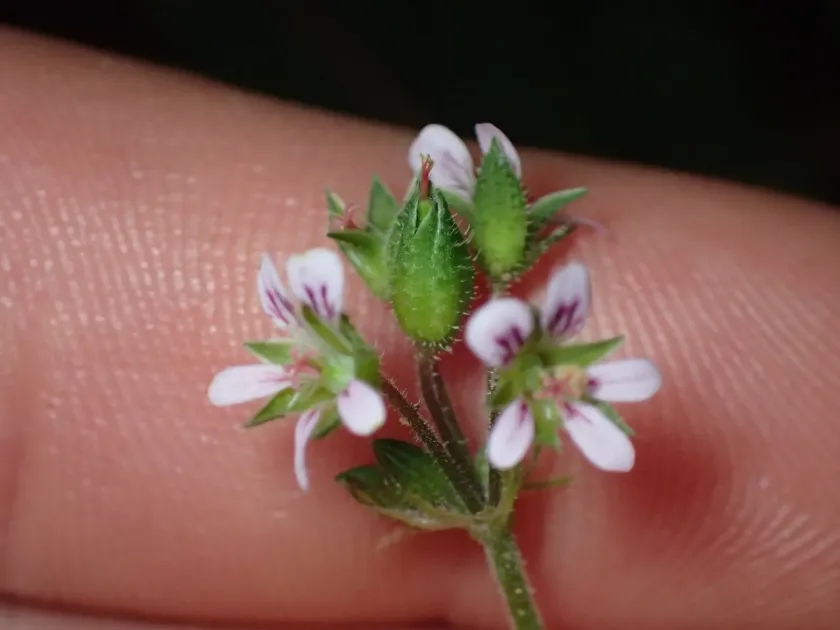
Description
Sowing dates
The odorless pelargonium, belonging to the Geraniaceae family, is typically propagated via seeds or vegetative cuttings. The most effective sowing period starts in late winter or early spring to ensure the seedlings benefit from the lengthening daylight hours during their initial growth phase.
To achieve high germination rates, it is necessary to maintain a consistent soil temperature between 20 and 22 degrees Celsius. Using a light, well-draining, and nutrient-rich substrate is essential for supporting healthy seedling development and robust root establishment.
Seeds should be sown in seedling trays, covered lightly with soil, and kept in a moist but not waterlogged environment. Excessive moisture during germination can lead to damping-off, a common fungal issue that poses a significant risk to young pelargonium plants.
Once germinated, usually within two weeks, the plants should be moved to a well-lit area with slightly cooler temperatures. This practice prevents the seedlings from becoming leggy and promotes the growth of strong, sturdy stems that are better suited for transplanting.
Transplanting into individual containers is recommended when the plants have developed two or three sets of true leaves. Careful handling of the root system during this stage is vital to avoid transplant shock and to encourage vigorous branching and healthy foliage development.
Growing requirements
This species thrives in open, sunny locations where it can receive direct sunlight throughout the day. Ample light is a critical factor for maintaining a compact growth habit and stimulating continuous and abundant flowering throughout the entire growing season.
Odorless pelargonium prefers fertile, well-drained soils with a neutral or slightly acidic pH level. It is important to avoid heavy, waterlogged soils, as stagnant water can severely damage the delicate root system and cause the plant to decline rapidly.
Climatically, Pelargonium inodorum is a heat-loving plant that cannot withstand frost. The optimal air temperature for active growth ranges between 18 and 25 degrees Celsius, allowing the plant to maintain a high metabolic rate and consistent blooming performance.
Regular fertilization with complex mineral fertilizers, focusing on phosphorus and potassium, is essential during the flowering stage. These nutrients enhance the size and color intensity of the flowers, ensuring the plant reaches its full decorative potential.
Watering should be balanced and systematic, allowing the top layer of soil to dry out between applications. This irrigation strategy encourages deep root penetration and helps the plant develop a better resistance to the brief dry spells that occur in many climates.
Main diseases and pests
Fungal diseases, often triggered by excessive moisture and poor ventilation, represent the primary threat to this crop. Grey mold is particularly prevalent in humid environments, causing unsightly lesions on leaves and stems and potentially leading to significant tissue damage.
Root rot, frequently caused by improper watering techniques or poor drainage, remains a major issue. Preventive measures include ensuring proper soil aeration, using sterile growing media for young plants, and promptly removing any individuals that show signs of early wilting.
Pests such as aphids and spider mites can cause substantial damage by feeding on plant sap. Their presence often leads to leaf yellowing, distorted growth, and an overall reduction in plant vigor, which can make the crop more susceptible to secondary infections.
Whiteflies are another common pest, especially in greenhouse or indoor cultivation settings. Controlling them requires monitoring and the application of appropriate insecticides to prevent large-scale infestations that could ruin the crop's quality and appearance.
- Sanitizing the growing environment regularly.
- Providing sufficient spacing to improve airflow.
- Monitoring plants for early symptoms of pests and disease.