
Pelargonium hirtum
Pelargonium hirtum
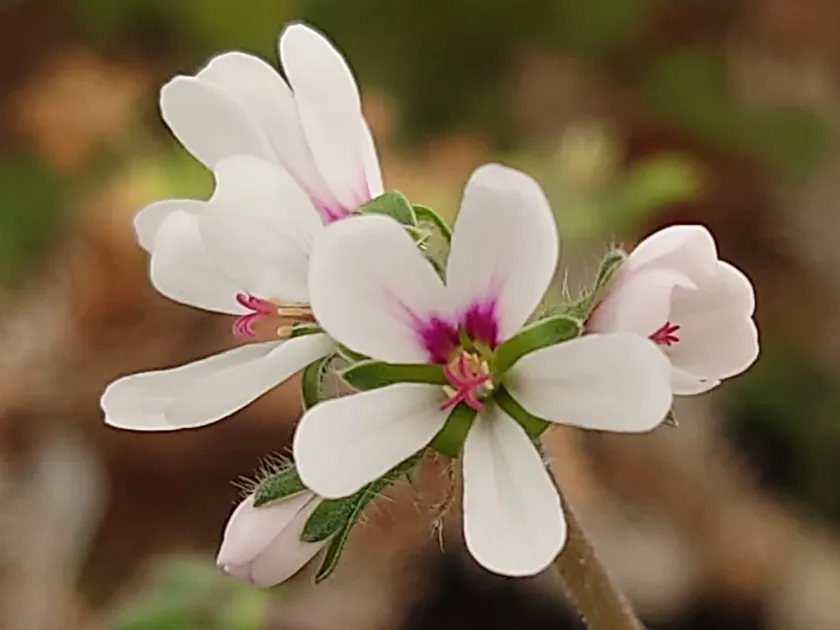
Description
Growing requirements
Pelargonium hirtum, commonly known as the hairy pelargonium, is a fascinating member of the Geraniaceae family. Native to the arid regions of the Cape Province in South Africa, this perennial subshrub has evolved to thrive in harsh environmental conditions characterized by limited water availability and nutrient-poor soils.
The plant is botanically distinguished by its pubescent (hairy) leaves and stems, which serve as an adaptation to reduce transpiration and protect the plant from high solar radiation. Its growth habit is relatively compact, with a robust root system capable of storing energy for dormant periods, typical of many South African succulent species.
Successful cultivation of this species requires a substrate that mimics its native habitat, specifically a very well-draining, gritty mix. Growers should avoid using dense potting soils that retain moisture for too long, as Pelargonium hirtum is highly susceptible to root rot, which is the primary cause of plant failure in non-native environments.
Temperature management is critical for the health of Pelargonium hirtum. During the active growing season, it prefers warm conditions with plenty of ventilation. Conversely, it requires a distinct cool, dry resting period during the winter months, which is essential for triggering the next cycle of vigorous growth and flowering.
In terms of horticultural use, Pelargonium hirtum is primarily valued by succulent collectors and enthusiasts of rare botanical species. Its unique texture and modest growth habit make it an excellent choice for container gardening, particularly in rock gardens or greenhouse collections where environmental factors can be strictly controlled.
Main diseases and pests
The most significant threats to Pelargonium hirtum arise from improper cultural practices, particularly overwatering or poor airflow. Fungal infections are the most common pathogens, though insect infestations can also significantly impair the plant's health if not addressed promptly by the grower.
- Root rot caused by stagnant water in the soil medium.
- Spider mites thriving in low humidity and dry air environments.
- Mealybugs that hide in the dense hairy foliage of the stems.
- Aphids that target tender new growth during the spring season.
- Botrytis blight, which may develop under cold and damp winter conditions.
- Whiteflies, often found in greenhouse cultivation systems.