
Nutmeg scented geranium
Pelargonium fragrans
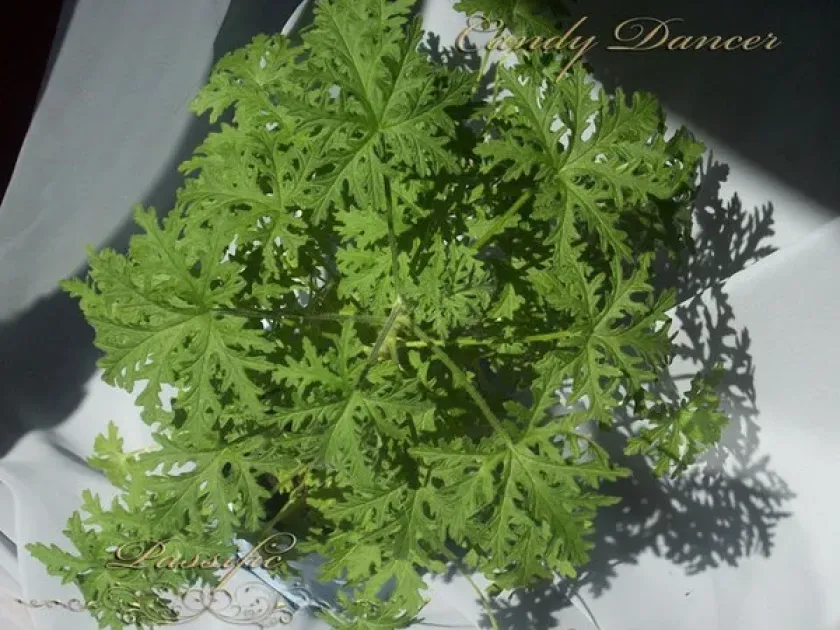
Description
Growing requirements
Pelargonium fragrans, commonly known as the nutmeg scented geranium, is a member of the Geraniaceae family. Native to the Cape region of South Africa, this perennial subshrub is widely recognized for its spicy, nutmeg-like fragrance emitted from its finely textured, velvety foliage.
The crop thrives in bright, indirect light conditions. While it can tolerate some direct morning sun, intense afternoon heat may stress the plant. Consistent light exposure is critical for the development of essential oils within the leaf glands, which determine the plant's aromatic quality.
Requirements for soil focus on excellent drainage and aeration. A loose, well-draining potting medium, such as a mix of peat, perlite, and coarse sand, is recommended. The plant does not tolerate waterlogged roots, which makes proper pot drainage a mandatory agricultural practice.
Temperature management requires a warm growing season with temperatures ranging between +18°C and +25°C. During the winter, the plant benefits from a cooler period of dormancy, ideally between +10°C and +15°C, to prepare for the subsequent active growth cycle.
Regarding agricultural utilization, this species is cultivated primarily for its essential oil content. The volatile compounds extracted from the leaves are highly valued in the cosmetic and perfumery industries for their unique, spicy scent profile and antimicrobial properties.
Main diseases and pests
Common pests affecting Pelargonium fragrans include aphids, spider mites, and whiteflies. These insects proliferate in environments with poor air circulation, necessitating regular inspections of the underside of the leaves and prompt treatment if an infestation is detected.
Pathogenic threats primarily include Botrytis (gray mold) and root rot caused by various Pythium species. These conditions are typically exacerbated by high soil moisture and low light levels, making precise irrigation management the most effective prevention strategy.