
Pelargonium echinatum
Pelargonium echinatum
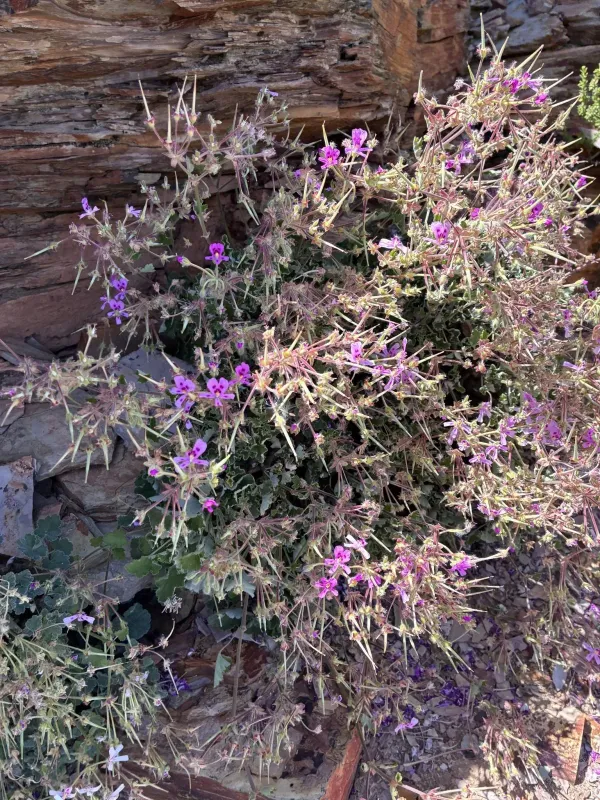
Description
Growing requirements
Pelargonium echinatum is a distinct species within the Geraniaceae family, renowned for its succulent characteristics. Native to the semi-arid regions of South Africa, it has evolved to thrive in harsh environments.
The plant features woody, knotted stems protected by persistent spiny stipules, which give it a unique aesthetic appeal. Its leaves are generally cordate with a silvery-green texture due to fine pubescence.
Cultivation requires full sun exposure to maintain its compact habit. In lower light conditions, the plant tends to become leggy and loses its characteristic structural integrity.
The soil must be extremely well-draining, typically consisting of a mix of potting soil, coarse sand, and perlite. A high drainage capacity is critical to prevent moisture retention near the roots.
Temperature management is key: it prefers warm, dry summers and cool, dry winters. During the winter dormancy, the plant should be kept almost completely dry to prepare for the spring blooming cycle.
Main diseases and pests
Root rot is the most prevalent issue, primarily caused by overwatering or soil that lacks proper aeration. If the stem starts to turn brown or soft, immediate intervention is required to save the plant.
Mealybugs are the most common pests affecting this species. They hide in the crevices of the knotted stems, making them difficult to detect until the infestation becomes significant.
Spider mites may also appear in dry, stagnant air conditions. Regular misting or increasing air circulation helps deter these pests, though direct wetting of the stems should be performed cautiously.
Fungal pathogens can colonize the plant if humidity remains too high for extended periods. Applying systemic fungicides can help control the spread of these pathogens during the growth season.
Proper hygiene, such as removing dead foliage and using sterile cutting tools during propagation, significantly reduces the risk of infection and maintains plant longevity.