
Pine-scented pelargonium
Pelargonium denticulatum
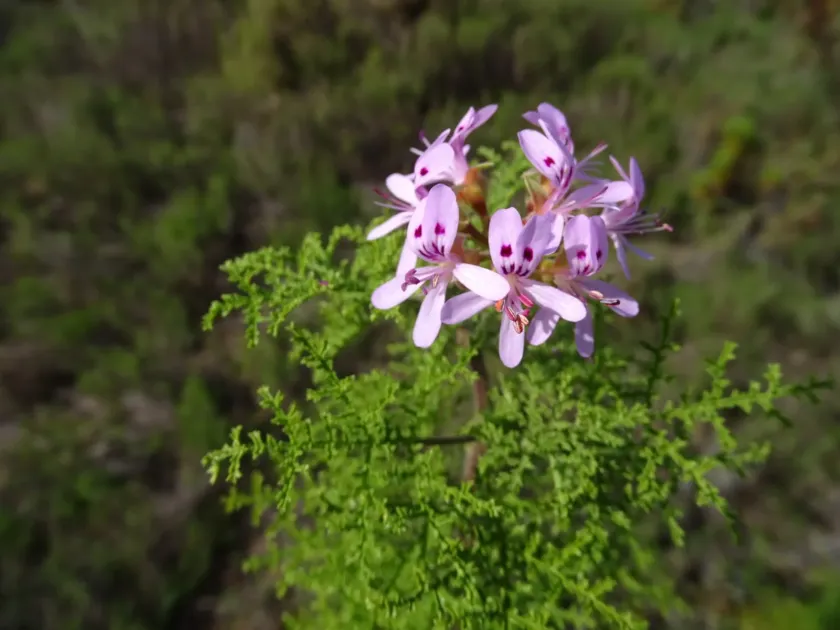
Description
Sowing dates
Pelargonium denticulatum, commonly known as the pine-scented pelargonium, is a member of the Geraniaceae family, valued for its distinct aromatic foliage.
In agricultural practice, this plant is primarily propagated through stem cuttings to maintain the consistency of its chemical profile and oil composition.
Cuttings are usually taken from healthy mother plants in early spring to take advantage of the natural hormonal surge associated with the start of the growth season.
The rooting medium should be porous and well-aerated, such as a mix of perlite and peat, to ensure sufficient oxygen access to the developing roots.
Propagation is typically done in controlled greenhouse environments to maintain the necessary humidity and light intensity for successful rooting.
Growing requirements
This species requires high light intensity to maximize the production of essential oils within the glandular hairs on its leaves.
Well-drained soil is non-negotiable; heavy soils that retain water must be amended with organic matter or grit to prevent root rot.
It prefers a temperate climate and performs best in temperatures ranging from 18°C to 25°C, requiring protection from frost during the winter months.
Regular fertilization is necessary, focusing on balanced NPK ratios with slightly higher phosphorus levels to encourage flower development and oil biosynthesis.
Watering should be managed through drip irrigation to ensure consistency without wetting the foliage, which reduces the risk of fungal infections.
Yield
Yields for Pelargonium denticulatum are measured by the total weight of fresh biomass harvested per hectare and the quality of the distilled essential oil.
Frequent pruning throughout the vegetative phase significantly increases the overall biomass production by stimulating dense side branching.
Harvesting timing is critical; the highest concentration of volatile oils is found just before the plant enters its full flowering stage.
Optimal crop management allows for at least two major harvests per year, depending on the length of the growing season in the specific region.
Efficient extraction techniques, such as steam distillation, are essential for maximizing the recovery rate of the high-value aromatic compounds.
Main diseases and pests
Poor ventilation is the primary cause of fungal diseases, including Botrytis cinerea, which can rapidly spread across a dense crop canopy.
Pests like spider mites and whiteflies are common challenges, especially in greenhouse environments where they can multiply quickly if unchecked.
Root system issues, often caused by overwatering or poor drainage, are frequent culprits in plantation loss during the early establishment phase.
- Monitoring crop health weekly to identify early signs of infestation.
- Using reflective mulch to deter certain flying insects.
- Applying systemic treatments only when necessary to protect pollinators.
Preventative measures, such as proper spacing between rows, significantly reduce the incidence of both diseases and pest colonization.
Harvesting
Harvesting is performed by cutting the stems at a specific height to leave enough growth points for quick regeneration of the plant.
Morning harvesting is preferred, as the aromatic oil concentration is typically higher before the heat of the day triggers evaporation.
Post-harvest handling is vital; the biomass should be processed or distilled shortly after cutting to prevent the loss of top-note aromatic compounds.
The material should be kept out of direct sunlight during transport to the distillation unit to preserve the integrity of the essential oil.
Proper sanitization of harvesting equipment between different plots is a standard agricultural protocol to prevent cross-contamination of plant diseases.