
Hooded-leaf pelargonium
Pelargonium cucullatum
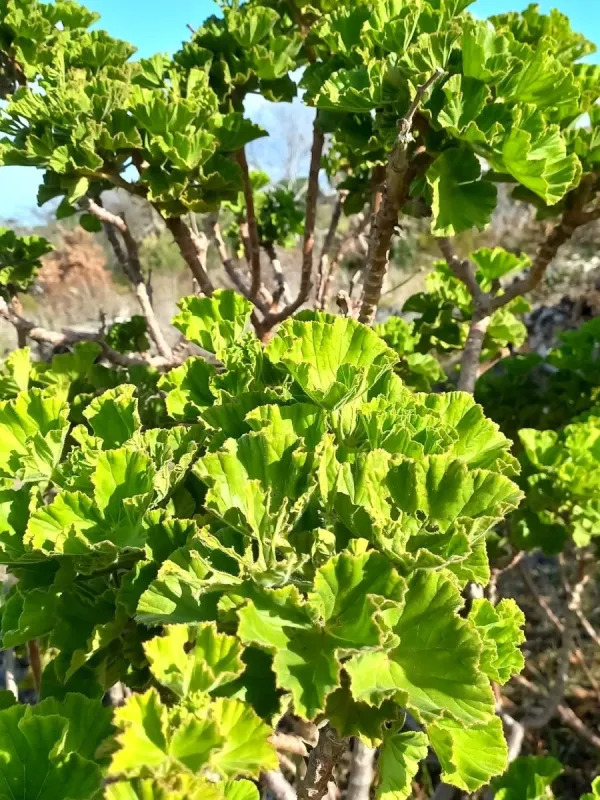
Description
Sowing dates
Pelargonium cucullatum can be propagated by both seeds and vegetative methods. Sowing is typically conducted in late winter or early spring, around February or March, to ensure well-developed seedlings by the season start.
For seed germination, a light, well-draining substrate based on peat and perlite is essential. Seeds are sown superficially and kept at a stable temperature of approximately 20-22 degrees Celsius.
Cuttings are the preferred method for maintaining specific varietal characteristics. Cuttings are harvested during the spring and summer from healthy parent plants, ensuring the cut ends are dried to prevent decay.
Rooting occurs within 3 to 4 weeks in sterile soil. It is crucial to maintain moderate humidity, as excessive moisture is detrimental to young plants and can lead to immediate root rot.
Once the first true leaves appear, seedlings are transplanted into individual containers. The plants are then gradually acclimated to outdoor conditions through a hardening-off process.
Growing requirements
Pelargonium cucullatum belongs to the Geraniaceae family. This perennial shrub species is native to the coastal regions of South Africa, adapted to sandy soils and coastal climatic conditions.
The plant has high light requirements and prefers open, sunny locations. Insufficient light leads to elongated stems and significantly reduced flowering intensity throughout the growing season.
This species is highly sensitive to soil moisture excess. The potting mix must provide excellent drainage, as water stagnation often triggers fungal root diseases and plant failure.
The optimal temperature range for active growth is 18 to 25 degrees Celsius. During winter, the plant requires cooler temperatures to facilitate the development of flower buds for the next season.
Nutrient requirements are moderate. Excess nitrogen fertilization promotes excessive foliage growth at the expense of floral display, necessitating the use of balanced phosphorus-potassium fertilizers.
Main diseases and pests
Fungal diseases caused by poor cultural practices represent the primary threat. Common issues include gray mold and leaf spot, which frequently affect the foliage and stems in humid conditions.
Aphids and spider mites are the most prevalent pests encountered. These pests thrive in dry air, feeding on young shoots and significantly weakening the overall health of the plant.
Whiteflies may also cause substantial damage, particularly in greenhouse or closed-environment settings. Control strategies include both chemical insecticide treatments and biological integrated pest management.
Disease prevention relies on maintaining strict watering schedules, ensuring proper air circulation, and promptly removing spent inflorescences and damaged foliage to reduce disease pressure.
Upon detection of infection, immediate isolation of the affected plant is necessary. Fungicidal treatments should be applied according to label instructions, ensuring consistent application to eliminate infestation sources.