
Pelargonium crithmifolium
Pelargonium crithmifolium
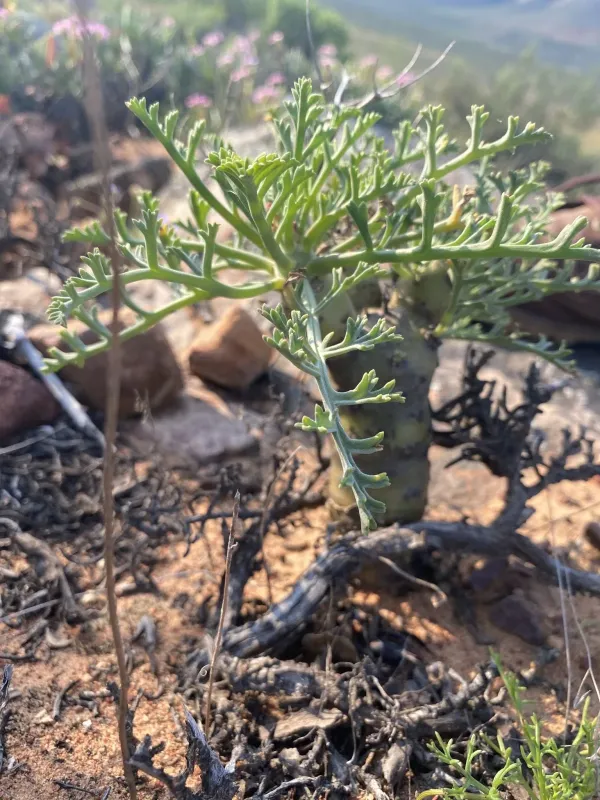
Description
Sowing dates
Propagation of Pelargonium crithmifolium is typically achieved through seeds or stem cuttings. Seeds should be sown in a highly porous, gritty medium to prevent water retention and ensure rapid drainage.
Germination requires a consistent temperature of around 20–22 degrees Celsius. Providing bright, indirect light immediately after emergence is essential to prevent etiolation of the young seedlings.
Stem cuttings are a common method for faster results. The cut surface must be left to callous for several days in a shaded area before insertion into a dry, mineral-based rooting substrate.
Transplanting seedlings requires caution due to their delicate root systems. It is recommended to use small pots initially to match the volume of the root mass and minimize the risk of soil souring.
Spring is the ideal season for repotting mature plants. Using a specialized succulent potting mix ensures that the roots remain healthy and have enough space to expand during the growth season.
Growing requirements
Pelargonium crithmifolium is a unique succulent shrub belonging to the Geraniaceae family. Native to the arid regions of South Africa, it has evolved to store water within its stems and branches.
This species thrives in full sun exposure. Adequate light is crucial not only for photosynthesis but also for maintaining the plant’s compact, woody habit and stimulating proper blooming.
The substrate must be exceptionally well-draining, consisting of a mix of high-quality potting soil combined with volcanic rock, pumice, or perlite. Soil aeration is vital for root respiration.
Watering should be managed strictly throughout the year. During the active growing period, water only when the substrate has dried out completely; reduce watering significantly during the winter rest phase.
Optimal growth occurs in temperate conditions with good air circulation. Keeping the plant in a well-ventilated area reduces the risk of fungal issues and mimics its natural wind-swept habitat.
Main diseases and pests
The most significant threat to Pelargonium crithmifolium is root rot, which is almost always a result of overwatering or inadequate soil drainage. Fungal pathogens can quickly destroy the root system.
Common pests include mealybugs and spider mites. Mealybugs often hide in the crevices of the woody stems, while spider mites favor dry conditions and can cause severe foliage damage if left unchecked.
Poor lighting combined with excessive humidity often leads to fungal leaf spots. Keeping the foliage dry and ensuring airflow around the plant is the best preventive strategy against these infections.
Regular monitoring of the plant’s base and stems is essential for early detection of issues. Softened or discolored areas on the caudex-like stems are often the first signs of internal decay.
Integrated pest management using environmentally safe insecticidal soaps or systemic treatments is recommended if an infestation is detected. Always ensure the plant is healthy and stress-free to improve its natural resistance.