
Pelargonium candicans
Pelargonium candicans
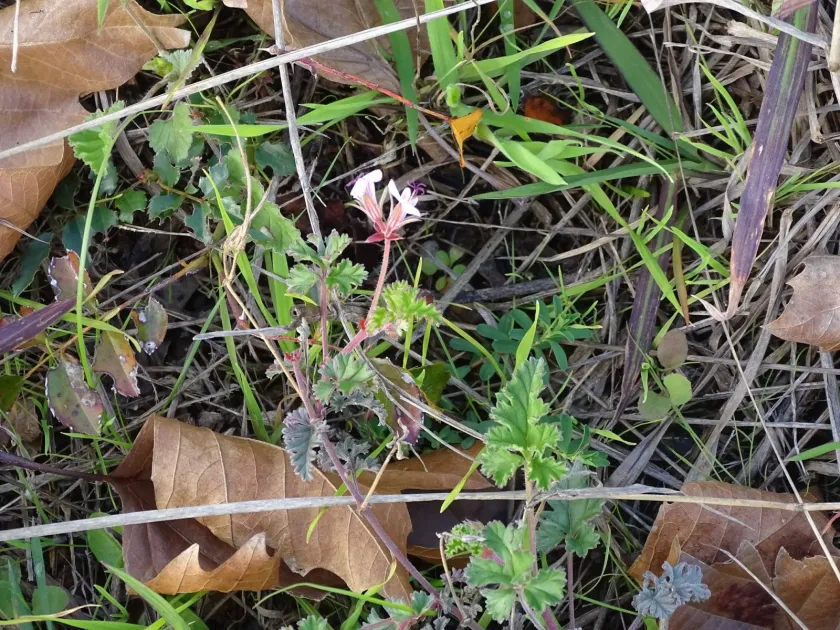
Description
Growing requirements
Pelargonium candicans is a perennial herb belonging to the Geraniaceae family. Native to the arid regions of South Africa, this species has evolved to thrive in nutrient-poor, rocky substrates, making it a unique ornamental subject for dry gardens.
The plant is distinguished by its stunning, silvery-white tomentose leaves, which provide an effective adaptation against intense solar radiation. The morphology consists of basal rosettes that give rise to delicate, pale-colored inflorescences during the peak season.
Agricultural success with this species depends on mimicking its native habitat requirements. It demands sharp drainage and soil with a gritty texture; heavy clay soils should be amended with perlite or gravel to ensure the roots do not remain waterlogged.
Full sun exposure is mandatory for maintaining the silver foliage coloration. Shade will cause the leaves to turn a dull green and the stems to become etiolated, significantly reducing the plant's aesthetic value and overall structural integrity.
The climate requirement is characterized by a preference for dry summers and mild winters. It is frost-tender and must be brought indoors or protected in climates where temperatures drop significantly below freezing, maintaining a dry dormant phase in winter.
Main diseases and pests
Disease management is centered around moisture control, as Pelargonium candicans is highly susceptible to fungal pathogens. Powdery mildew is the most common foliar issue, appearing as a white dusting on leaves when airflow is stagnant.
Root rot, primarily caused by Phytophthora or Pythium species, remains the leading cause of plant failure. Implementing a strict 'soak and dry' watering regime is the most effective preventative measure against these deadly pathogens.
Spider mites (Tetranychidae) represent the most significant pest threat in greenhouses. These pests thrive in hot, dry conditions and can cause severe chlorosis of the foliage if not managed with regular water misting or acaricide applications.
Aphids can also congregate on the tender flower buds and shoot tips. Their feeding habits cause stunted growth and can attract sooty mold, which impairs the plant's ability to photosynthesize effectively.
Mealybugs are another potential pest that hides in the dense leaf hairs, making them difficult to detect. Regular inspection and localized treatment with horticultural oils are recommended to keep the plants healthy and free from infestation.