
Field Pelargonium
Pelargonium campestre
Description
Sowing dates
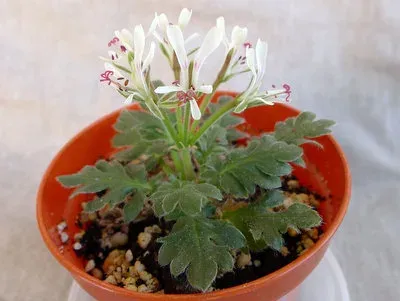
Field Pelargonium (Pelargonium campestre) is a herbaceous perennial belonging to the Geraniaceae family. In agricultural and horticultural contexts, the plant is propagated primarily through seeds or vegetative cuttings, depending on the desired genetic uniformity and development speed.
The optimal sowing time occurs in late winter or early spring, allowing for sufficient seedling development before the warmer season. Seeds should be sown in a well-draining, lightweight medium, placed near the surface to ensure adequate light exposure for germination.
Germination success relies on maintaining temperatures between 20 and 22 degrees Celsius. Once the seedlings develop several sets of true leaves, they are transplanted into individual containers to foster a robust root architecture before their final placement in a field or greenhouse setting.
Vegetative propagation via cuttings is frequently employed to maintain stable traits of specific cultivars. Utilizing healthy, mature shoots and applying root-promoting hormones significantly improves the success rate of propagation and accelerates the establishment of new plants.
The transition to the field requires careful hardening off to prevent environmental shock. Proper timing based on the local climate ensures that the plants are not exposed to late frosts, which can severely damage the delicate vegetative tissues of the young specimens.
Growing requirements
Pelargonium campestre thrives in locations with high light intensity, although it benefits from protection against intense midday heat. The ideal soil profile consists of fertile, well-aerated substrates with a slightly acidic to neutral pH, which facilitates efficient nutrient uptake.
The plant demonstrates a preference for temperate climates with moderate humidity levels. It exhibits a certain degree of drought tolerance, yet prolonged water scarcity can negatively impact its floral production and overall vegetative vigor throughout the growing season.
Irrigation management is crucial; water should be applied directly to the soil, avoiding contact with the leaves to mitigate the risk of fungal infections. Regular fertilization using balanced NPK ratios during the active growth phase supports healthy development and prolonged flowering.
Maintaining soil aeration through periodic light cultivation is essential for root health. In greenhouse environments, high levels of air circulation are mandatory to prevent micro-climates that favor the development of pathogens within the canopy of the plants.
Winter dormancy is a critical physiological requirement for this species. Providing cooler temperatures during this period enables the plant to store energy and initiate flower bud development, which is essential for successful performance in the subsequent cycle.
Main diseases and pests
The primary threats to field pelargonium are fungal diseases, particularly root and stem rots caused by over-irrigation. These pathogens proliferate rapidly in stagnant conditions, leading to systemic decay and the eventual loss of the plant's structural integrity.
Pests, most notably spider mites and aphids, pose a significant risk, especially in protected cultivation where air humidity is low. These insects can quickly overwhelm the plant by feeding on its sap, leading to stunted growth and reduced ornamental or agricultural yield.
Effective management involves a combination of preventative cultural practices, such as maintaining appropriate spacing, and the judicious use of systemic fungicides or insecticides when necessary. Prompt removal of dead plant material is critical for breaking the disease cycle.
Integrated pest management strategies highlight the importance of regular inspection and monitoring. Early detection allows for targeted intervention, reducing the need for broad-spectrum chemical applications and minimizing the impact on the surrounding ecosystem.
Overall plant vitality is the best defense against biotic stresses. Consistent attention to soil health, proper water management, and balanced nutrition creates a resilient plant capable of withstanding various environmental and biological pressures throughout its life cycle.