
Pelargonium boranense
Pelargonium boranense
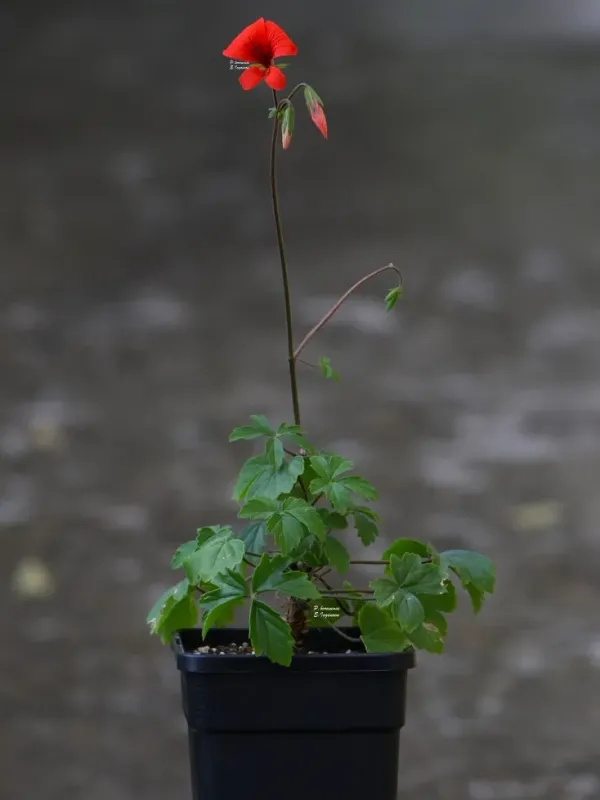
Description
Growing requirements
Pelargonium boranense is a distinctive species belonging to the Geraniaceae family. Native to the arid regions of Ethiopia, this plant has evolved to thrive in environments characterized by long periods of drought and high temperatures.
As a xerophytic plant, it displays unique adaptations such as thickened stems or specialized root systems that store water, allowing it to withstand extreme desert-like conditions. In its native habitat, it typically colonizes rocky outcrops where drainage is rapid.
For successful cultivation, providing a growing medium with excellent drainage is paramount. A mix consisting of grit, coarse sand, and a small amount of inorganic potting soil is ideal to mimic the natural rocky substrates where this species is found.
Exposure to full sun is essential for the healthy development of Pelargonium boranense. Without intense natural light, the plant will become leggy and lose its characteristic compact habit, often failing to reach its full flowering potential.
Temperature management requires a warm environment during the active growing season, with daytime highs around 25 degrees Celsius. During the dormant winter phase, temperatures should be lowered to prevent excessive growth, and irrigation must be strictly limited.
Main diseases and pests
The most significant threat to Pelargonium boranense is the mismanagement of water, which leads to root and stem rot. Excess moisture creates a favorable environment for soil-borne pathogens that target the root system of these succulents.
Pests such as mealybugs and spider mites are common in greenhouse environments. These insects thrive in warm, dry conditions and can cause significant structural damage to the foliage and stems if left unchecked.
Poor ventilation is a critical factor that facilitates the spread of powdery mildew. Ensuring that the plants are spaced adequately to allow for free air circulation is a simple yet effective way to mitigate this risk.
Integrated pest management, including regular inspection and the use of targeted systemic insecticides, is recommended for long-term health. Always ensure that the humidity levels around the plant remain low to discourage fungal growth.
Prevention through quarantine of new arrivals and the use of sterile growing media are effective strategies for maintaining a healthy collection of this rare Ethiopian species.