
Pelargonium betulinum
Pelargonium betulinum
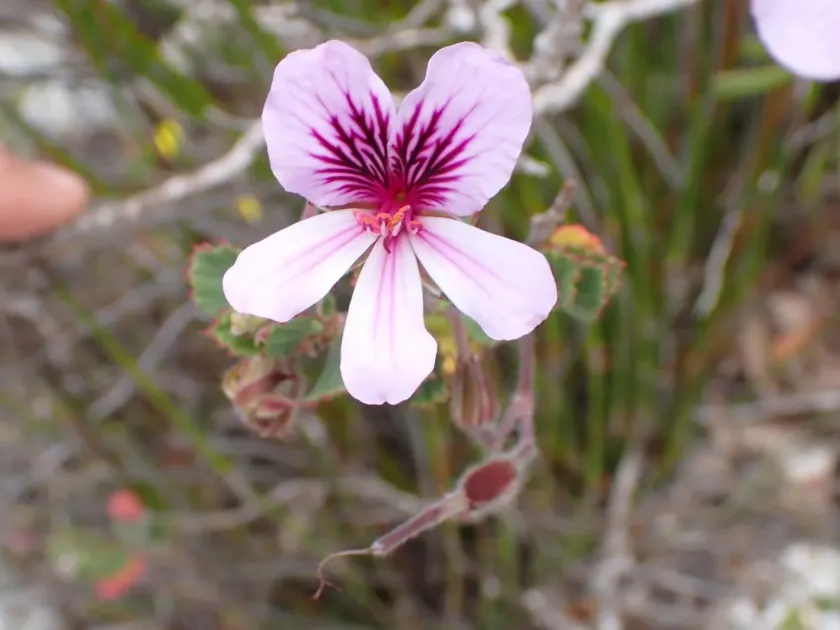
Description
Sowing dates
Pelargonium betulinum, a member of the Geraniaceae family, can be propagated through seeds or stem cuttings. Seed sowing is typically performed in late winter to ensure the plants are well-established before the onset of the main spring growing season.
Sowing should be done in a light, well-draining substrate while maintaining temperatures between 20–22 degrees Celsius. Using sterile soil is highly recommended to protect the delicate seedlings from damping-off and other fungal diseases common during germination.
Once two true leaves have developed, the seedlings are pricked out into individual pots. This step is vital to encourage robust root development, which allows the plant to adapt successfully when transitioned to outdoor garden beds or containers.
Stem cuttings remain the most popular method for preserving specific varietal characteristics. Semi-hardwood cuttings are harvested in late summer after the primary flowering period, ensuring high success rates when rooted under greenhouse conditions.
The rooting process is typically carried out in a mixture of perlite and peat, which provides the necessary humidity. Under optimal conditions, healthy new plants can be obtained within 4 to 6 weeks, making this an efficient method for mass production.
Growing requirements
Originating from the coastal regions of South Africa, this species thrives in bright, sunny conditions. Providing full sun exposure is essential for maintaining the compact growth habit and ensuring the plant produces its characteristic profusion of flowers.
Soil quality must be characterized by excellent drainage, as the species is intolerant of waterlogged roots. A neutral or slightly acidic sandy loam substrate is ideal; adding grit or perlite is common practice in heavier soil types to improve oxygen circulation.
Irrigation should be managed carefully; allow the soil to dry out significantly between watering sessions. Overwatering, especially during cooler or overcast weather, is a primary cause of root rot and overall plant decline in this species.
The plant demonstrates good tolerance for heat and moderate drought. However, adequate spacing is required to ensure air circulation, which helps manage ambient humidity levels and reduces the risk of overheating when grown in containers.
Nutrient management involves applying balanced, low-nitrogen liquid fertilizers every two weeks during the active growth phase. This promotes healthy foliage while directing the plant's energy toward flower bud initiation rather than excessive vegetative growth.
Main diseases and pests
Pelargonium betulinum is susceptible to grey mold (Botrytis), which is most prevalent in environments with high humidity and poor air movement. Symptoms include soft, decaying tissues covered with a characteristic greyish fungal growth.
Powdery mildew represents another threat, typically triggered by sharp temperature fluctuations. Prevention is primarily achieved through maintaining proper plant spacing and ensuring that foliage remains dry during the irrigation process.
Pests such as spider mites and whiteflies can cause significant damage in dry, warm environments. These insects feed on sap, leading to chlorosis, stunted leaf growth, and general loss of vigor, which can severely impact the aesthetic and biological quality.
Integrated pest management strategies are advised, starting with regular physical inspections of the leaf undersides. If infestation levels exceed thresholds, the application of horticultural oils or systemic insecticides is necessary for effective control.
Sanitation is a critical component of pest and disease management. Regularly removing spent flower heads and any yellowing or damaged leaves reduces the potential inoculum and keeps the plants healthy throughout the growing cycle.