
Pelargonium barklyi
Pelargonium barklyi
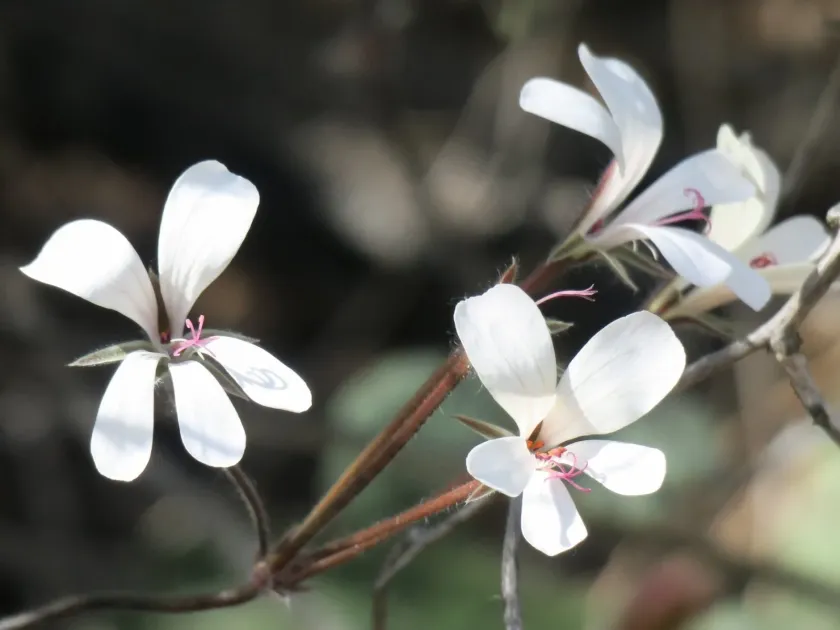
Description
Sowing dates
Propagation of Pelargonium barklyi from seeds requires careful preparation, ideally performed in early spring to coincide with the natural growth cycle.
The seeds should be sown in a well-draining, mineral-based substrate, ensuring that the soil surface remains moist but not waterlogged during the germination phase.
A consistent temperature of 20 to 22 degrees Celsius is essential for successful germination, as fluctuations can lead to seed dormancy or rot.
Light is a critical factor; seeds should be surface-sown or covered with a very thin layer of fine sand to allow sufficient exposure to illumination.
Once seedlings have developed their second pair of true leaves, they should be carefully pricked out into small, individual pots to promote healthy root development.
Growing requirements
As a member of the Geraniaceae family, Pelargonium barklyi is native to the arid regions of South Africa and is highly adapted to drought conditions.
The plant requires a high-intensity light environment, making it suitable for sun-drenched greenhouses or sunny indoor locations where it receives direct sunlight.
The potting medium must be porous and inorganic, typically composed of coarse sand, perlite, and a small portion of loamy soil for optimal drainage.
During the active growing season, watering should be performed cautiously, allowing the soil to dry out completely between sessions to mimic its native habitat.
During the winter months, the plant enters a state of dormancy and requires a cool, dry environment to prepare for the subsequent spring growth cycle.
Main diseases and pests
Root rot is the most common and dangerous problem for Pelargonium barklyi, usually caused by overwatering or poor drainage within the cultivation container.
Mealybugs are frequent pests that infest the crown of the plant, hiding in leaf axils and potentially causing significant damage to the plant's structural integrity.
Spider mites thrive in the dry conditions preferred by the plant, so regular monitoring of the foliage for fine webbing is essential for early pest control.
Fungal infections, such as grey mold, can develop if the plant is kept in an environment with poor air circulation and high humidity levels.
To prevent disease, it is recommended to keep the foliage dry during watering and ensure the plant is positioned in an area with adequate airflow.