
Matsudana willow
Salix matsudana Koidz.
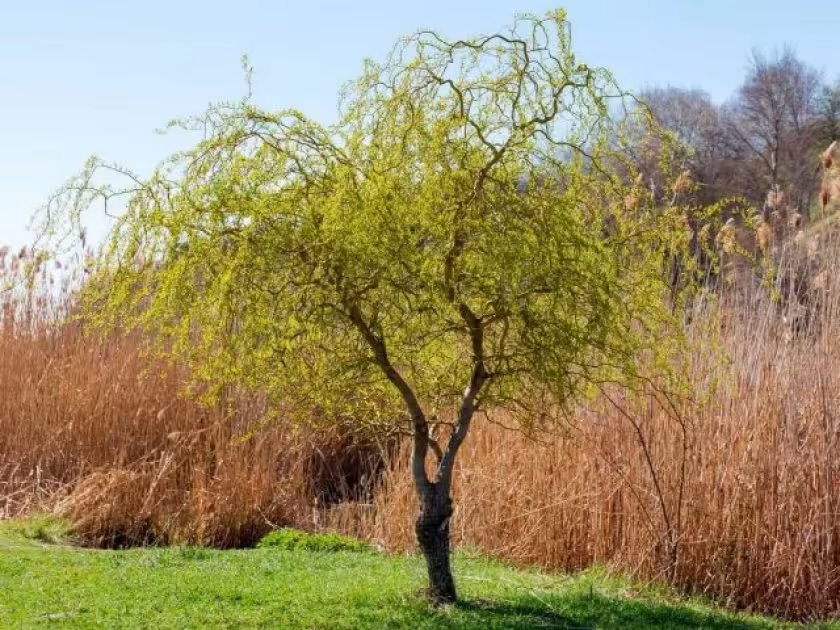
Description
Sowing dates
Matsudana willow (Salix matsudana Koidz.), belonging to the Salicaceae family, is a highly prized ornamental species known for its characteristic twisted branches. Propagation is primarily achieved through vegetative methods, such as hardwood or softwood cuttings, to ensure the distinct genetic traits are preserved.
Hardwood cuttings should be harvested in early spring, just before the sap begins to flow. They are inserted directly into well-prepared soil, leaving a few buds exposed to develop into the main structural branches of the tree as it matures.
Softwood cuttings are taken during the summer months, typically between June and July. Success depends on maintaining high soil moisture levels and providing partial shade to prevent excessive transpiration in the young, developing shoots before they establish a root system.
While seed propagation is possible, it is rarely utilized in practical agrotechnics because the progeny often lose the coveted contorted morphology of the parent plant. Therefore, cloning via cuttings remains the standard for maintaining the plant's unique aesthetic value.
When planning a plantation, adequate spacing is crucial for tree health. A minimum distance of 3–4 meters between individual trees is recommended to prevent crown crowding, ensure proper air circulation, and maximize the light exposure necessary for the branches to twist correctly.
Growing requirements
This species thrives in locations with full sun exposure. Adequate light is a non-negotiable requirement; in shaded environments, the branches tend to lose their signature twist, the canopy becomes sparse, and the overall vitality of the tree declines significantly.
Matsudana willow demands fertile, well-draining soil rich in organic matter. Loamy soils that provide a balance between moisture retention and drainage are ideal. While the tree tolerates occasional waterlogging, it performs best when the water table remains consistent.
Regular irrigation is vital, especially during prolonged dry spells. The willow has a rapid growth rate and an extensive root system, which necessitates a steady supply of moisture to maintain the turgor pressure required for its elegant, arching branch structure.
Regarding climate, the tree shows moderate cold hardiness. In regions prone to harsh winters, young trees require winter protection for their root zones. Mulching with organic materials such as peat or wood chips helps stabilize soil temperature and prevent frost heave.
General maintenance includes keeping the area around the base free from weeds. Competitive vegetation can steal necessary nutrients and water, impacting the tree's growth rate. Periodic mulching also serves to improve soil structure and enhance biological activity.
Yield
The primary utility of the Matsudana willow is found in landscaping and ornamental horticulture. Its unique contorted silhouette makes it a sought-after specimen for park designs, urban greening, and private garden focal points.
The cut branches are in high demand within the floristry and decorative arts sectors. Their natural, aesthetic curves make them a premium material for interior design, seasonal floral arrangements, and various craft projects, providing a steady commercial harvest potential.
The wood itself is lightweight and easy to work with, finding niche applications in small-scale carpentry and the production of rustic wickerware. It is also explored as a sustainable source for biomass production due to the species' exceptionally fast growth rate.
In environmental management, the tree serves as an excellent tool for soil stabilization and erosion control. Its aggressive root system helps anchor loose soil on slopes and along riverbanks, providing a bio-engineering solution for land protection.
Optimal yields in terms of branch quality are achieved through systematic pruning. By removing weak or straight branches, gardeners can stimulate the growth of more contorted, decorative shoots, thereby increasing the harvestable value of the tree.
Main diseases and pests
Common fungal diseases include willow scab and various leaf spot pathogens. These conditions are often exacerbated by high humidity levels and poor airflow within the dense canopy, leading to premature leaf drop and potential branch dieback if left untreated.
Pests such as willow leaf beetles, aphids, and certain types of caterpillars can cause significant damage to the foliage. These infestations can diminish the tree's ornamental appeal and hinder its ability to photosynthesize effectively during the active growing season.
Disease management involves the use of copper-based fungicides applied in the early spring as a preventative measure. Regular sanitary pruning to remove infected or dead wood is essential to prevent the spread of spores and maintain the tree’s overall hygiene.
Pest control is most effective when integrated into a regular monitoring schedule. Applying systemic insecticides or horticultural oils can manage populations of aphids and beetles before they cause severe damage to the delicate new growth of the tree.
- Ensure proper spacing to promote air circulation.
- Perform annual sanitary pruning to remove congested branches.
- Apply balanced organic fertilizers to bolster natural tree immunity.