
Pearl millet
Cenchrus americanus (L.) Morrone
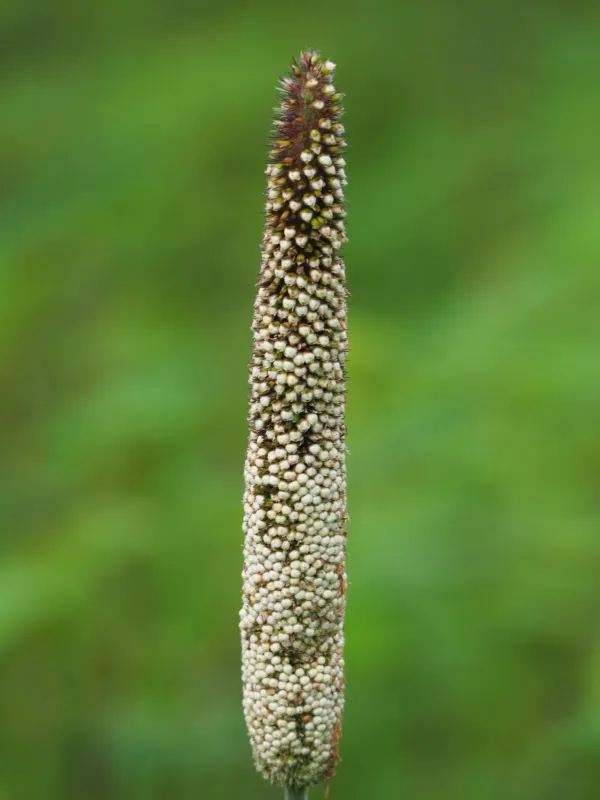
Description
Sowing dates
Pearl millet is a warm-season crop, and therefore sowing should only commence once the soil temperature at a depth of 10 cm reaches at least +15...+18°C.
Early sowing into cold, damp soil will result in poor germination rates and stunted early development, leaving the seedlings highly susceptible to weed competition.
The optimal planting window opens after all risks of frost have passed, as even minor frost events can cause significant damage to the young, delicate shoots.
Seeds are typically sown at a depth of 2 to 4 cm, ensuring they are placed in firm, moist soil to facilitate quick and uniform emergence across the field.
Seeding rates should be adjusted based on the intended end-use, with lower densities used for grain production and higher densities preferred for forage or biomass cultivation.
Growing requirements
As a member of the Poaceae family, Pearl millet is renowned for its remarkable ability to tolerate high temperatures and survive prolonged periods of drought.
The crop performs exceptionally well in light-textured, sandy or loamy soils, though it can thrive in a wide variety of soil types provided there is adequate drainage.
A deep and extensive root system allows the plant to efficiently access water from lower soil profiles, providing stability during dry spells when other cereals might fail.
Pearl millet requires high solar radiation and long daylight hours to reach its full productive potential throughout the growing season.
The crop is relatively adaptable to soil pH, generally performing best in neutral to slightly acidic conditions while also showing good tolerance to salinity.
Yield
Under favorable management practices, Pearl millet can produce grain yields ranging from 2 to 4 metric tons per hectare in rain-fed agricultural systems.
When cultivated for silage or green manure, the crop can yield between 30 and 50 tons of fresh biomass per hectare depending on rainfall and soil fertility.
Strategic application of nitrogen fertilizers, combined with supplemental irrigation during critical growth stages like booting, can dramatically increase overall yields.
The crop's ability to ratoon or regrow after cutting makes it an excellent choice for multiple harvests in regions with long, warm growing seasons.
Yield limitations are most commonly associated with insufficient heat units, which prevent the grain from reaching full physiological maturity before the onset of cold weather.
Main diseases and pests
The most significant disease threatening Pearl millet is ergot, which infects the inflorescence and can drastically reduce the quantity and quality of the grain harvest.
Downy mildew is another prevalent disease that thrives in high-humidity conditions, often leading to systemic infection and stunted growth of the plants.
In terms of insect pests, aphids are a major concern as they feed on sap, while various types of stem borers can cause significant structural damage to the main stalk.
Armyworms can also pose a serious threat, as they feed on foliage and can defoliate entire fields if left unmonitored during the vegetative stage.
Management strategies include the use of resistant hybrids, crop rotation practices, and the timely application of fungicides and insecticides based on field scouting.
Harvesting
Grain harvesting should occur when the plants reach full maturity and the moisture content of the seeds drops to between 14% and 16% for safe long-term storage.
If harvested for forage, the optimal window is just at the onset of flowering, when the biomass provides the best balance of protein and digestible energy for livestock.
When using a combine harvester, operators must carefully calibrate settings to prevent damaging the relatively small seeds while effectively separating them from the chaff.
Post-harvest handling is critical; it involves thorough cleaning and rapid drying to prevent the growth of molds and mycotoxins that can compromise the crop's quality.
Adhering to proper harvesting protocols ensures that the final product meets commercial quality standards for food processing or high-value animal feed applications.