
Banana passionfruit
Passiflora tripartita (Juss.) Poir.
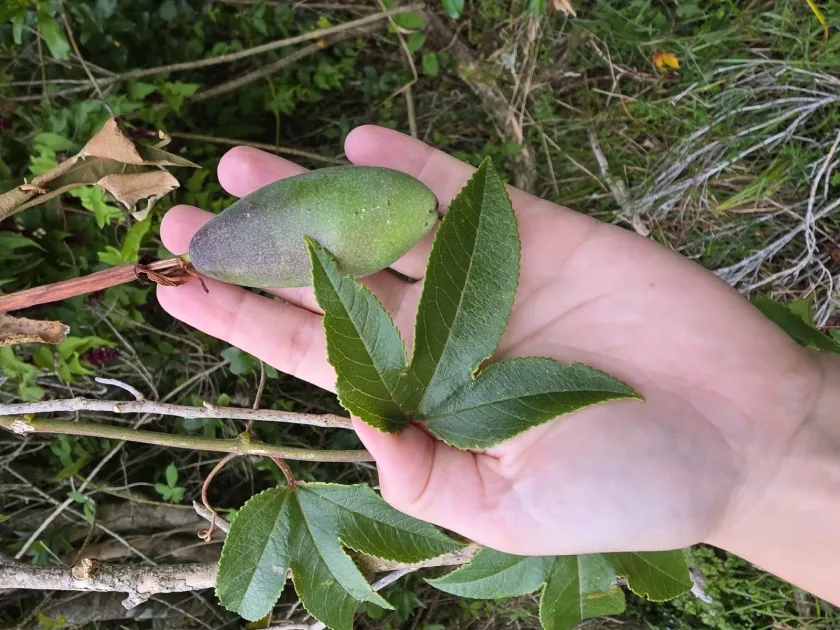
Description
Sowing dates
Passiflora tripartita, commonly referred to as the banana passionfruit, is a vigorous perennial vine belonging to the Passifloraceae family. It is typically propagated via seeds or semi-hardwood cuttings during the warmer months of the year.
When starting from seeds, use a well-draining, lightweight potting mix. Maintain consistent soil temperatures between 20 and 25 degrees Celsius to ensure uniform germination, which may take several weeks.
Cuttings are preferred for commercial cultivation to maintain specific genetic traits. Use healthy stems about 15–20 centimeters long, and place them in a humid environment with filtered light until a robust root system develops.
Transplanting into the permanent growing area should occur only after the danger of frost has passed. As this plant is a heavy climber, installing strong, durable trellises or support systems is essential for successful development.
Proper spacing is crucial for canopy management. Allow at least 2.5 to 3 meters between individual vines to facilitate airflow, which is critical for reducing humidity-related diseases and ensuring sunlight penetration.
Growing requirements
Originating from the Andean regions, Passiflora tripartita thrives in cool to temperate climates. Unlike many other passion fruit varieties, it prefers moderate temperatures and performs best in environments that are not excessively hot.
The ideal soil is fertile, rich in organic matter, and slightly acidic, with a pH between 5.5 and 6.5. Good drainage is non-negotiable, as the plant is highly susceptible to root rot if water remains stagnant in the root zone.
While the plant enjoys bright, indirect sunlight, intense direct sun in tropical climates may necessitate shading to prevent leaf scorching and fruit damage. It requires a stable, bright environment to produce healthy flower buds.
Irrigation must be consistent, ensuring the substrate remains moist but never waterlogged. During the peak flowering and fruiting stages, supplemental watering and balanced fertilizer applications are necessary to support high energy demands.
Protection from strong winds is highly recommended, as the long, fragile vines can be easily damaged. Planting alongside windbreaks or using sheltered locations will improve plant vigor and overall structural integrity.
Yield
The banana passionfruit is highly valued for its oblong, yellow-to-orange fruits. A healthy, mature vine can produce a substantial yield, ranging from 50 to over 150 fruits per season under optimal management conditions.
The fruit is commercially utilized for its aromatic pulp, which is rich in flavor. It is consumed fresh, or processed into juices, purees, jams, and various culinary desserts, making it a valuable crop for smallholder farmers.
Yield efficiency is heavily dependent on effective pollination. In regions where natural pollinators are scarce, manual pollination of the large, unique flowers can significantly increase the fruit set percentage.
Harvesting is typically performed selectively. As the fruit matures, it develops a characteristic aroma and color change; workers should inspect the vines regularly to gather ripe produce at the correct stage of maturity.
Post-harvest handling is delicate due to the thin skin of the fruit. Proper packing and immediate cooling are essential to maintain fruit quality, prevent bruising, and extend shelf life for market distribution.
Main diseases and pests
Common pests include spider mites and aphids, which often target tender foliage. Integrated pest management strategies, including the use of neem oil or targeted biological controls, are effective for managing these infestations.
Fungal issues like powdery mildew and anthracnose are prevalent in high-humidity conditions. Pruning excess vegetation to allow for better light and air circulation is the best preventive measure against these pathogens.
Viral diseases, often characterized by leaf mottling, are a significant threat. Because there is no cure, infected plants must be removed immediately to protect the rest of the plantation from systemic spread.
Root rot, often caused by pathogens like Phytophthora, is an indicator of poor soil drainage. Maintaining a strict irrigation schedule and avoiding soil compaction are critical to keeping the root system healthy.
Nematode pressure can be high in certain soils. Utilizing cover crops and organic amendments can enhance soil biological health, creating a suppressive environment that limits nematode damage to the vine roots.