
Giant granadilla
Passiflora quadrangularis L.
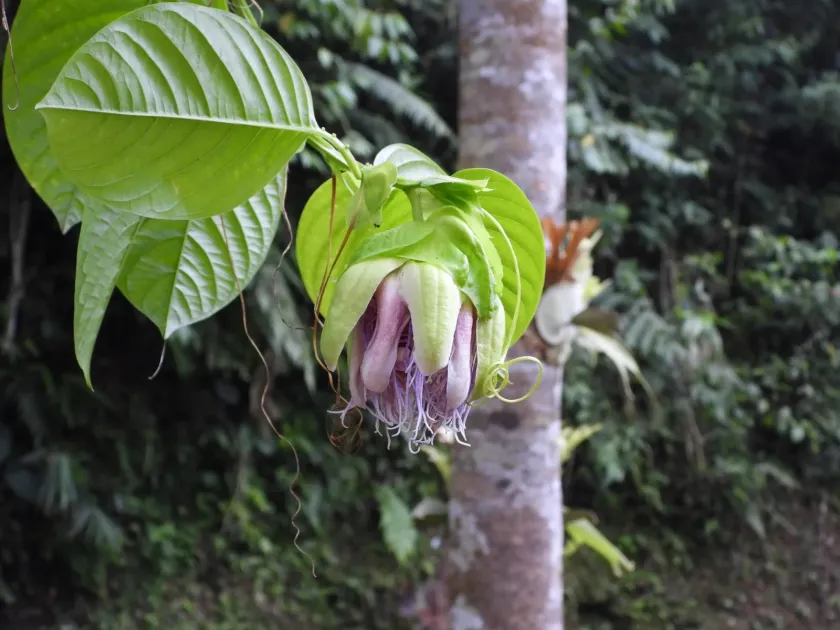
Description
Sowing dates
Propagation of the giant granadilla (Passiflora quadrangularis L.) is primarily carried out via seeds or vegetative methods, such as cuttings. Seeds should be scarified and soaked in warm water for 24 hours prior to sowing to improve germination rates.
The optimal time for sowing in controlled environments is during the spring when daylight hours increase. In warm tropical climates, established seedlings can be transplanted into the field once the risk of frost has passed.
Vegetative propagation utilizes semi-hardwood cuttings with 2–3 nodes. Rooting is best achieved in a high-humidity substrate with temperatures ranging from +25°C to +28°C under greenhouse cover.
It is essential to maintain consistent soil moisture during the germination or rooting process while avoiding waterlogging, which can lead to rapid root system decay.
Selecting a planting site requires consideration of the vine's aggressive growth, as it needs sturdy support structures and adequate space for stems that can reach several meters in length.
Growing requirements
As a member of the Passifloraceae family, this species is a quintessential tropical plant. Successful growth and fruiting require a temperature range of +20°C to +30°C; temperatures dropping below +15°C significantly inhibit vegetative development.
The plant is highly demanding regarding light intensity. To produce high-quality fruit, it requires bright diffused light or direct sunlight in the early morning and late afternoon, with light shading necessary during the peak heat of the day.
Soil requirements include high fertility, excellent structure, and drainage. Loamy or sandy soils with a neutral to slightly acidic pH (6.0–7.0) are ideal for its development.
Atmospheric humidity plays a critical role, ideally staying between 70% and 80%. In conditions of low humidity, buds may drop prematurely, and the plant becomes susceptible to spider mite infestations.
Fertilization is best performed during the active growing season using balanced mineral fertilizers with higher phosphorus and potassium content to promote prolific flowering and fruit development.
Yield
The yield of the giant granadilla is directly dependent on pollination conditions. In greenhouse environments lacking natural pollinators, manual cross-pollination of the flowers is necessary to ensure fruit set.
The fruits, known as giant granadillas, can reach weights of 2–3 kg, a record for the genus. With optimal care, a single mature vine can produce 20 to 40 fruits per season.
Fruiting typically begins 2–3 years after planting from seed. Vegetatively propagated specimens may flower in their first year, although a robust root system is required for a sustained and high-quality crop.
Regular pruning of side shoots stimulates the formation of fruiting branches, significantly increasing the overall productivity of the vine in intensive cultivation systems.
The fruit features juicy, aromatic pulp widely used in the food industry for juices, jams, and desserts, making the crop economically viable in tropical and subtropical regions.
Main diseases and pests
The most common pests affecting this vine are spider mites and mealybugs, which proliferate rapidly when humidity levels are inadequate or ventilation is insufficient.
Root rot, caused by fungi such as Fusarium or Pythium, often develops in waterlogged soil, making effective drainage a fundamental protective measure against diseases.
Insects can be managed with systemic insecticides, though biological alternatives such as soaps or specialized eco-friendly sprays are preferred for plants grown for food consumption.
Viral diseases, such as cucumber mosaic virus, can be transmitted through pruning tools. It is strictly recommended to disinfect shears after each use to prevent cross-contamination between plants.
Preventative measures are essential, including maintaining clean greenhouse conditions, removing fallen foliage, and inspecting the undersides of leaves, where pests frequently hide.
Harvesting
Harvesting is performed based on the maturity of the fruit. Indicators of readiness include a change in skin color from vibrant green to light yellow or greenish-yellow, accompanied by a distinct, pleasant aroma.
Fruits are harvested by hand, carefully snipping the stalk to avoid damaging the vine. Overripe fruits are prone to dropping, so frequent monitoring during the harvest season is crucial.
Post-harvest, the fruits do not have a long shelf life, as their thin skin is susceptible to bruising. The optimal temperature for short-term storage is between +10°C and +12°C.
For commercial use, fruits should be transported in specialized containers with soft padding to minimize physical injury and loss of produce during transit.
Seeds from ripe fruit can be retained for further propagation by washing them clean of the surrounding pulp and drying them in a shaded, well-ventilated area.