
Passion flower
Passiflora incarnata L.
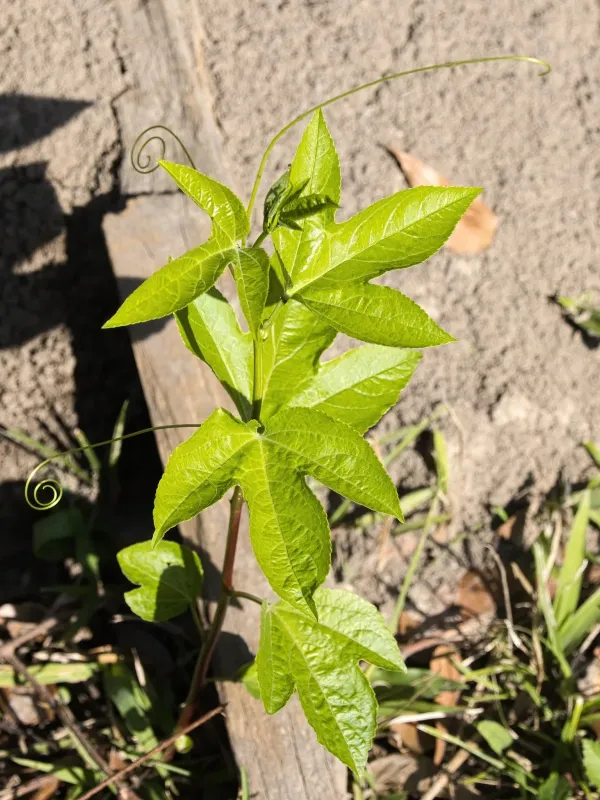
Description
Sowing dates
Passiflora incarnata L., commonly known as maypop or purple passion flower, is a perennial climbing vine belonging to the Passifloraceae family. It is native to the southeastern United States and is widely recognized for its medicinal properties.
Propagation is typically done through seeds or vegetative cuttings. Seeds require a period of cold stratification to break dormancy and ensure uniform germination.
Sowing should take place in controlled environments like greenhouses during late winter. Providing consistent warmth is critical for the initial development of the seedlings.
Vegetative propagation using softwood cuttings taken during the summer months is another common method. These cuttings are placed in a high-humidity environment to encourage root growth.
Once the threat of frost has passed, young plants can be transplanted into the field. Spacing should be sufficient to allow for future vegetative growth and proper air circulation.
Growing requirements
Passiflora incarnata thrives in full sun but can tolerate partial shade in hotter climates. Adequate exposure to light is necessary for robust vine development and flower production.
Well-drained soil with a slightly acidic to neutral pH is ideal for this crop. It is highly sensitive to waterlogged conditions, which can lead to root rot and other physiological issues.
Consistent moisture is required during the growing season, especially in the early stages of development. Mulching can help retain soil moisture and suppress weed growth.
As a climbing vine, it requires strong vertical support systems such as trellises or wires. These structures prevent the foliage from matting on the ground and improve overall health.
Regular fertilization with balanced NPK nutrients supports vigorous growth. However, excessive nitrogen should be avoided to prevent over-reliance on leafy growth at the expense of flowering.
Yield
The harvestable yield for Passiflora incarnata consists of the aerial parts of the plant, including leaves and stems, harvested during the peak flowering stage.
In commercial operations, multiple harvests per season can be achieved depending on the management practices and the length of the growing cycle.
The plant demonstrates a rapid recovery rate if managed correctly, allowing for sustained production throughout the summer months under favorable conditions.
Yield quality is highly dependent on timing, as the active medicinal compounds are most concentrated in the plant tissue during the blooming process.
Dry matter weight represents a significant portion of the harvest, making efficient drying technology a key component of the post-harvest processing infrastructure.
Main diseases and pests
Pests such as spider mites, aphids, and whiteflies can pose significant threats to the crop. These pests are particularly problematic in hot and dry weather conditions.
Fungal diseases like powdery mildew and various root rots are common, especially when air circulation is poor or soil drainage is inadequate.
Integrated pest management (IPM) strategies, including biological control and scouting, are essential to maintain crop health while meeting quality standards.
Viral diseases can also affect the plant, causing mosaic patterns on leaves and reduced growth. Avoiding infested areas and controlling vector populations are primary preventative measures.
Maintaining a clean cultivation environment and removing debris from the field reduces the risk of overwintering pathogens that could infect the next season's crop.
Harvesting
Harvesting is ideally conducted during the peak blooming stage when the vine is most active. This ensures the highest concentration of phytochemicals in the harvested biomass.
Sharp tools are used to cut the stems, taking care to minimize damage to the root system or the remaining plant structure to ensure future growth.
Post-harvest processing involves immediate drying to preserve the delicate medicinal components of the plant. Temperature control during drying is essential to prevent degradation.
Uniformity in drying is achieved by spreading the material thinly on drying racks with good airflow. Proper ventilation is key to preventing mold formation.
Once dried to the appropriate moisture content, the product is stored in airtight, dark containers to prevent loss of potency caused by light and humidity exposure.