
Sweet granadilla
Passiflora ligularis Juss.
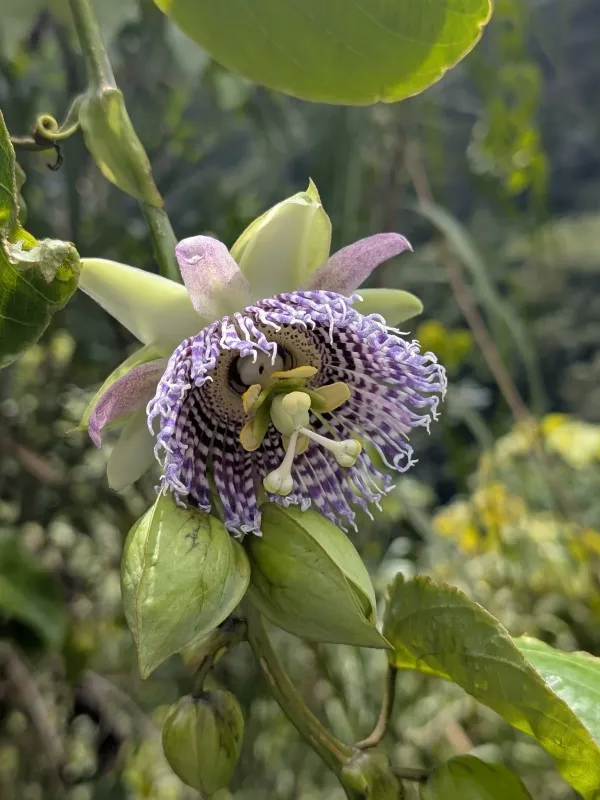
Description
Sowing dates
The propagation of the sweet granadilla (Passiflora ligularis) is primarily conducted through seeds or cuttings. Seeds should be sown in a well-draining, loose substrate, maintaining soil temperatures between 22-25 degrees Celsius.
In commercial nurseries, seeds are often scarified or soaked in water for 24 hours prior to sowing to ensure uniform germination. High humidity must be maintained until the seedlings develop their first true leaves.
Transplanting to the permanent site occurs once all risk of frost has passed, as the plant is extremely sensitive to cold temperatures. It is essential to select a location with strong support structures for the climbing vines.
Vegetative propagation via cuttings is preferred to ensure consistency in fruit quality and yield. Semi-hardwood cuttings are treated with rooting hormones and placed in protected greenhouse environments.
Proper spacing between plants is crucial to encourage air circulation, which prevents the development of fungal infections later in the growing season.
Growing requirements
Belonging to the Passifloraceae family, the sweet granadilla thrives in tropical to subtropical climates. It prefers fertile, well-drained loamy soils with a pH ranging from neutral to slightly acidic.
The plant requires significant light exposure to fuel its rapid vegetative growth and heavy fruit production. While it can tolerate partial shade, maximum yield is achieved in full sun conditions.
Temperature stability is key, with an optimal range between 18 and 28 degrees Celsius. Excessive heat or cold can disrupt the flowering cycle and lead to flower drop or stunted fruit development.
High humidity is essential for leaf health; if the air becomes too dry, the plant may suffer from wilting. Regular irrigation is necessary, but soil waterlogging must be avoided to protect root health.
Fertilizer application should be balanced, with an emphasis on potassium and phosphorus during the budding phase to support the production of high-quality, sugary fruits.
Yield
Yield is highly dependent on effective cross-pollination. In natural habitats, bees are the primary pollinators; however, in greenhouse settings, hand-pollination is often necessary to ensure a high fruit set.
The plants typically begin to bear fruit in their second or third year. Proper pruning of the vines is vital to focus the plant's energy on fruit production rather than excessive vegetative growth.
The sweet granadilla is known for its high-quality, aromatic fruit. The total yield per hectare is influenced by the plant's age, vine health, and the management of soil nutrient levels throughout the year.
Consistent water supply during the fruit-filling stage is essential to achieve the desired fruit size and sugar content. Monitoring the plants for stress symptoms is a standard practice for maintaining stable yields.
Regular maintenance, including the removal of dead or unproductive vine sections, significantly contributes to keeping the plantation productive over several harvest cycles.
Main diseases and pests
Fungal diseases, particularly Fusarium wilt, are a major threat to the plant's vascular system. Preventive measures include ensuring good soil drainage and using fungicide treatments when necessary.
Pests such as aphids, spider mites, and whiteflies frequently attack the leaves. They not only cause direct damage but also serve as vectors for various viral diseases that can destroy a crop.
Root-knot nematodes are problematic in infested soils, leading to weak plant growth and reduced harvest potential. Crop rotation and the use of certified, disease-free planting material are critical.
Bacterial leaf spot can spread rapidly in high-humidity conditions with poor airflow. Maintaining plant hygiene by removing affected foliage and disinfecting tools is essential for disease control.
Viruses often manifest as leaf mottling or deformation. Since there is no cure, focusing on the elimination of insect vectors and maintaining high standards of field sanitation is the most effective approach.
Harvesting
Harvesting should be performed manually by clipping the fruit from the vine. Leaving a short segment of the stem attached helps in preserving the fruit's integrity and prevents damage during handling.
Fruit maturity is indicated by a color transition from green to a rich yellow-orange. Unlike some other fruits, the sweet granadilla does not continue to ripen significantly after being harvested from the vine.
Post-harvest handling involves sorting the fruits by size and color to meet market specifications. They should be stored in cool, ventilated areas to maintain their quality for several weeks.
The fruit is widely consumed fresh, prized for its sweet, delicate pulp. It is also processed into juices, flavorings, and desserts, making it a highly valuable agricultural commodity.
Effective logistics and temperature control during transport are crucial, as the thin skin of the fruit is susceptible to bruising if handled roughly during the distribution process.