
Passiflora cincinnata
Passiflora cincinnata Mast.
Description
Growing requirements
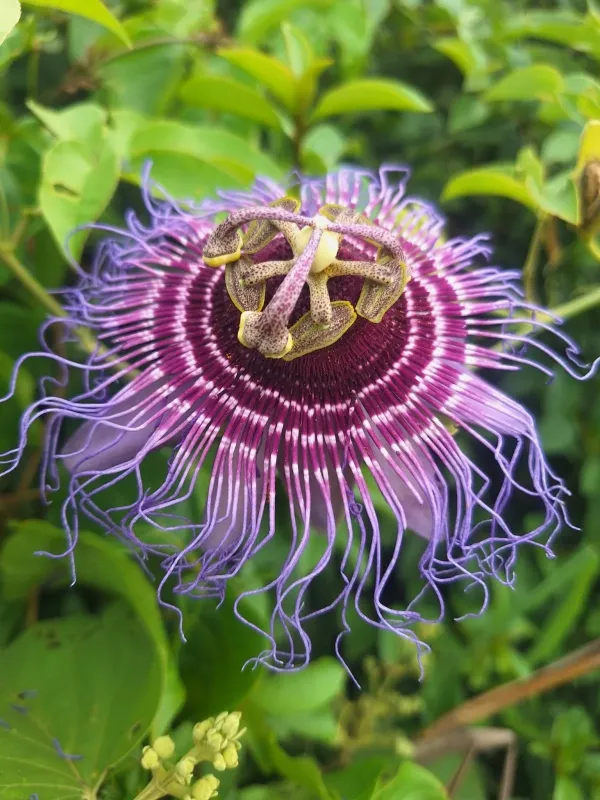
Passiflora cincinnata is a perennial woody vine belonging to the Passifloraceae family. Native to South America, particularly Brazil, it is recognized for its unique, highly decorative flowers and edible, flavorful fruit, making it a valuable crop in suitable tropical environments.
The plant thrives in warm, humid conditions with temperatures consistently between 20°C and 30°C. While it displays some resilience, it is highly sensitive to frost, which can kill or severely damage the aerial parts of the vine if protection is not provided during cold snaps.
Regarding soil requirements, Passiflora cincinnata prefers deep, well-draining, and nutrient-rich soils. A slightly acidic to neutral pH level is ideal. Adequate drainage is critical, as waterlogged conditions quickly lead to root decay and the decline of the plant’s overall vitality.
Trellising is a fundamental aspect of commercial production. Providing a robust support system ensures the vine can spread effectively, improving air circulation through the foliage, which reduces the incidence of fungal pathogens and enhances fruit set quality.
Consistent irrigation is necessary throughout the growing season, particularly during the flowering and fruit-swelling stages. Fertilization schedules should focus on balanced NPK ratios, with specific attention paid to increasing potassium levels to support fruit development and yield quality.
Main diseases and pests
Typical pests affecting this species include aphids, whiteflies, and spider mites. These insects can be particularly problematic in greenhouse environments or during periods of low atmospheric humidity, often requiring timely intervention with insecticidal soaps or biological controls.
Fungal diseases such as root rot, powdery mildew, and leaf spots are common risks when soil moisture is poorly managed or humidity levels are uncontrolled. Preventive measures include ensuring good airflow, avoiding overhead watering, and strictly adhering to recommended plant spacing.