
Passion fruit
Passiflora edulis Sims
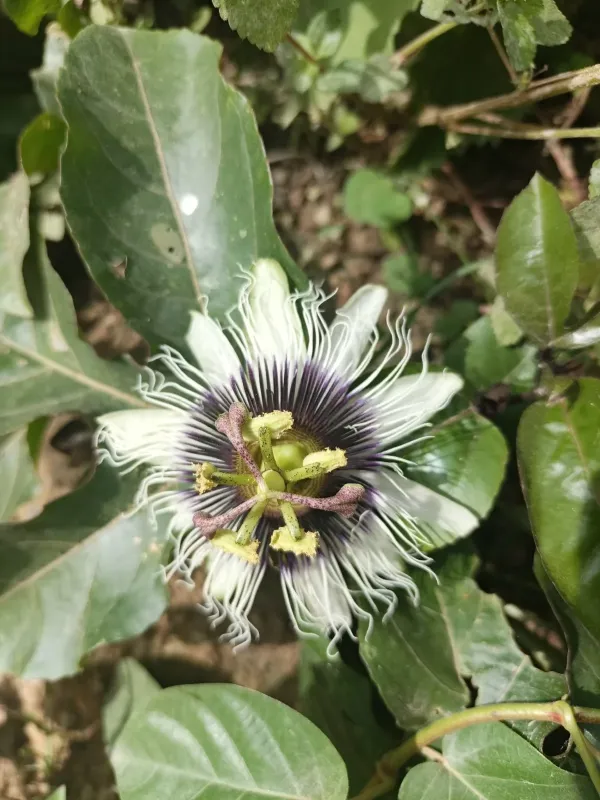
Description
Sowing dates
Passiflora edulis, commonly known as passion fruit, is a perennial evergreen vine from the Passifloraceae family. In commercial agricultural practice, the crop is primarily propagated from seeds, which should be sown in a high-quality substrate at temperatures between 20–25°C.
To ensure uniform germination, seeds may require scarification. The ideal sowing period in favorable climates is early spring, coinciding with the increase in photoperiod duration necessary for initial plant development.
Seedlings are transplanted into individual containers once the first true leaves have developed. Ensuring sufficient light is critical during this stage, as the plant is highly sensitive to light intensity, which dictates its subsequent vegetative vigor.
Transplanting into the field or greenhouse occurs only after the risk of frost has passed. During the establishment phase, it is vital to maintain consistent soil moisture, ensuring the root zone remains hydrated without becoming waterlogged.
Vegetative propagation via cuttings is also an effective method for maintaining genetic uniformity. Cuttings are typically taken from semi-hardwood stems in late summer, ensuring each cutting contains several viable nodes.
Growing requirements
Passion fruit thrives in well-drained loamy or sandy-loam soils with a pH ranging from 6.0 to 7.0. Waterlogged conditions are detrimental to the root system, making proper soil drainage a non-negotiable requirement for sustainable yields.
The plant requires a tropical or subtropical climate with high humidity levels and protection from strong, desiccating winds that can damage the delicate vines and tendrils. In temperate regions, climate-controlled greenhouses are essential for success.
As a light-loving species, row orientation in plantations should be designed to maximize solar radiation capture. Poor lighting conditions inevitably lead to leggy, unproductive growth and a significant reduction in flower induction.
Optimal temperatures for active growth range between 20°C and 30°C. Growth slows significantly below 10°C, and exposure to sub-zero temperatures can result in complete dieback of the above-ground biomass.
Nutrient requirements are high, particularly during the flowering and fruit-setting stages. A balanced fertilization program, with an emphasis on potassium and phosphorus, is crucial for developing high-quality, flavorful fruit.
Yield
Yield productivity is heavily dependent on professional vine training and trellis management. Regular pruning techniques are necessary to stimulate the development of secondary laterals, where the majority of flower buds are produced.
Initial harvests typically commence 12–18 months after planting, with peak productivity occurring during the second and third years. In tropical climates, continuous production may be possible throughout the year.
In greenhouse settings, artificial pollination may be necessary to maximize fruit set. In nature, the specialized structure of the flower typically requires large bees or bumblebees to facilitate effective fertilization.
Under intensive cultivation systems, yields can reach 15 to 30 metric tons per hectare. Managing canopy density through regular thinning is essential to ensure light penetration and reduce the microclimate humidity that favors pathogens.
The fruit is widely utilized in the beverage and culinary industries, including juice production, concentrates, and flavorings. Its nutritional profile, high in antioxidants and organic acids, makes it a premium agricultural commodity.
Main diseases and pests
Fungal diseases, specifically Fusarium wilt and anthracnose, represent significant threats to passion fruit plantations. These pathogens spread rapidly under high humidity and stagnant air conditions, necessitating robust ventilation strategies.
Root rots caused by various soil-borne pathogens frequently occur in over-watered environments. Preventive measures include strictly controlled irrigation schedules and the use of pasteurized soils for seedling production.
Common pests include aphids, spider mites, and thrips, which cause damage by feeding on young foliage and flower buds. Infestations lead to severe leaf distortion and premature fruit drop if left unmanaged.
Viral infections can significantly impact crop health, often manifesting as mosaic patterns on leaves and a general decline in vigor. As there is no cure, management relies on sanitation, rogueing infected plants, and controlling insect vectors.
An integrated pest management (IPM) approach is recommended, combining the use of biological controls, strategic fungicide applications, and constant field monitoring to maintain plant health.
Harvesting
Harvesting is determined by skin color transition from green to deep purple or bright yellow, depending on the cultivar. Fruits are ready when the skin begins to show a slight softness upon gentle pressure.
Leaving overripe fruit on the vine is discouraged, as it reduces quality and invites pests. Furthermore, daily collection of dropped fruit is essential to prevent rapid spoilage caused by contact with damp, pathogen-rich soil.
For long-distance shipping, fruits are often harvested at a stage of partial maturity, allowing them to ripen during transit. Preserving skin integrity is paramount, as abrasions result in increased respiration rates and moisture loss.
Post-harvest handling involves cleaning, grading by size and weight, and packing into well-ventilated containers. Fruits should be stored in cool environments to extend shelf life and preserve organoleptic properties.
When handled correctly, fresh fruit maintains its commercial viability for approximately 2–3 weeks if stored at optimal temperatures of 5–10°C.