
Softleaf passionflower
Passiflora tripartita var. mollissima (Kunth) Holm-Niels
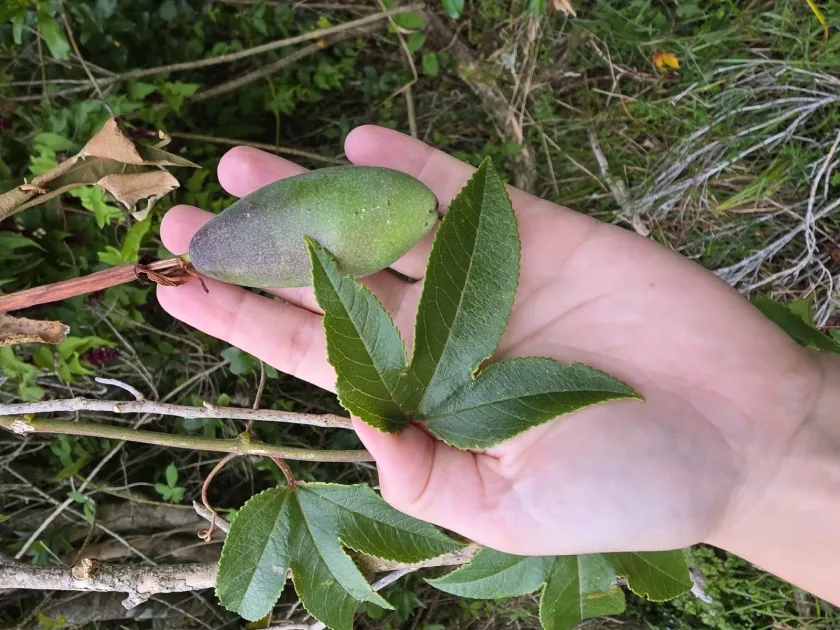
Description
Sowing dates
Softleaf passionflower belongs to the Passifloraceae family. It is a vigorous, evergreen climbing vine originating from the Andean regions, thriving in cool, high-altitude tropical climates.
Propagation is typically achieved through seeds or stem cuttings. Seeds have a hard seed coat and require scarification or soaking in warm water for 24 hours to improve germination rates.
Sowing should be done in a light, well-draining potting mix. Keep the seeds in a warm environment (22–26 degrees Celsius) and maintain consistent moisture until seedlings emerge.
As the plant develops, it requires a sturdy trellis or fence for support, as its tendrils are designed to latch onto structures. Early growth is focused on establishing a strong root system and vegetative scaffold.
Transplanting into the permanent garden site should be done only after the risk of frost has passed. Young plants need careful monitoring during their initial establishment period in the ground.
Growing requirements
This species prefers a temperate to cool tropical climate, unlike most passionfruits. It grows best in temperatures between 15 and 22 degrees Celsius and struggles under intense heat.
Well-drained, fertile soil with a slightly acidic to neutral pH is essential for success. Poor drainage leads rapidly to root rot, which is the most common cause of failure in cultivation.
Consistent watering is necessary, especially during the flowering and fruiting phases. During dry spells, ensure the soil moisture remains steady to prevent fruit drop and leaf stress.
Regular fertilization with a balanced, low-nitrogen formula is recommended during the active growing season. Potassium-rich supplements are particularly beneficial to promote flower production.
Pruning is a critical management practice for this species. Removing older, non-productive wood and thinning out dense growth allows light and air to penetrate the center of the vine.
Yield
Softleaf passionflower is highly productive, often bearing hundreds of fruits per plant in optimal conditions. This makes it an attractive crop for small-scale commercial fruit production.
The fruit, commonly known as banana passionfruit, has an elongated, cylindrical shape. The skin turns from green to a distinct bright yellow or orange when the fruit is ready for harvest.
The pulp inside is aromatic and possesses a sweet-tart flavor profile, making it highly versatile for culinary use. It is widely used in juices, jams, desserts, and fresh smoothies.
Fruit set is dependent on effective pollination. In regions where natural pollinators are scarce, hand-pollination can significantly increase total yield by ensuring all flowers are fertilized.
The vine is capable of fruiting throughout most of the year in suitable climates. Continuous harvest cycles allow growers to maintain a steady supply of produce for local markets.
Main diseases and pests
Common pests include aphids, spider mites, and whiteflies, which feed on the sap of young shoots. These pests can weaken the plant and reduce its overall vitality if left unmanaged.
Fungal diseases, such as Fusarium wilt and root rot, are significant threats, especially in waterlogged or high-humidity environments. Good airflow is the best preventative measure.
Integrated pest management, including the use of horticultural oils and biological control agents, is recommended to keep pest populations at a manageable level without harming the environment.
Sanitation practices, such as removing fallen leaves and pruning dead wood, prevent the buildup of pathogens. Tools should be sanitized regularly to avoid spreading infections between plants.
Frequent scouting for signs of discoloration or wilting allows for early intervention. If a plant is severely infected, it may need to be removed to prevent spread to the rest of the crop.
Harvesting
Harvesting is performed when the skin of the fruit reaches its mature yellow-orange color. It is crucial to pick fruits at the correct stage to ensure the best sugar levels and flavor.
Since the fruits ripen sequentially over a long period, daily or weekly harvesting is required. This practice ensures that no fruit becomes over-ripe or falls to the ground.
Always use a sharp tool to cut the fruit from the vine rather than pulling it. Damaging the stem or the skin can lead to rapid post-harvest deterioration and spoilage.
Freshly harvested fruit should be stored in a cool, well-ventilated area. Shelf life is relatively short, so timely movement to market or processing facilities is key to maximizing profit.
Grading should be done immediately after harvest to separate premium-quality fruit for fresh sale from those suitable only for processing into juices or jams.