
Passiflora tenuifila
Passiflora tenuifila Killip
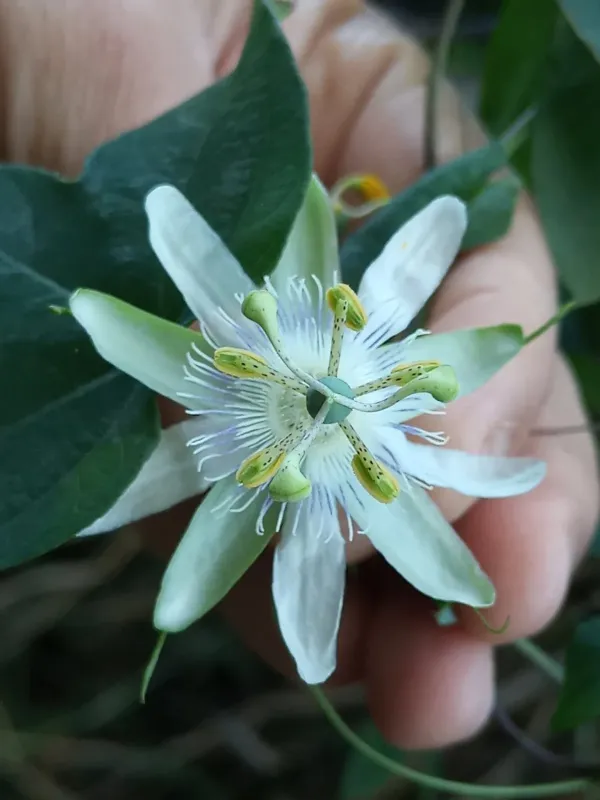
Description
Sowing dates
Propagation of Passiflora tenuifila is primarily achieved through seeds or stem cuttings, which is standard for most members of the Passifloraceae family.
Seeds should be sown in a well-draining, sterile potting mix during the early spring to maximize the growing season under optimal light conditions.
Scarification of the seeds is highly recommended to break dormancy and ensure a more uniform germination rate across the batch.
Stem cuttings are best taken during the summer months from healthy, non-flowering shoots to ensure rapid root development in a greenhouse environment.
Maintaining high humidity and warm soil temperatures, ideally between 22–25°C, is essential for successful seedling establishment and rooting.
Growing requirements
Passiflora tenuifila is a tropical vine belonging to the Passifloraceae family, originating from South American regions with specific climate needs.
The plant thrives in bright, indirect light conditions; excessive direct sunlight may result in leaf scorch, particularly in container-grown specimens.
A fertile, well-draining soil with a slightly acidic to neutral pH level is ideal for supporting the vigorous growth of these climbing plants.
This species is highly sensitive to frost and low temperatures, requiring a controlled indoor environment or a greenhouse in non-tropical climates.
Consistent moisture levels are critical, but the soil must never remain waterlogged, as this significantly increases the risk of root pathogens.
Main diseases and pests
Common pests affecting this species include spider mites, aphids, and mealybugs, which tend to infest the plant in warm, dry environments.
Fungal issues, such as root rot, often occur due to poor drainage or excessive watering during the dormant period of the plant's cycle.
Regular sanitation of the growing area and proper spacing between plants are effective measures to prevent the spread of diseases and pests.
Monitoring for pest activity should be carried out frequently, focusing on the undersides of leaves and the growing tips of the vine.
Integrated pest management strategies are recommended, utilizing beneficial insects or organic pesticides to maintain plant health without chemical over-reliance.