
Passiflora sublanceolata
Passiflora sublanceolata (Killip) J. M. MacDougal
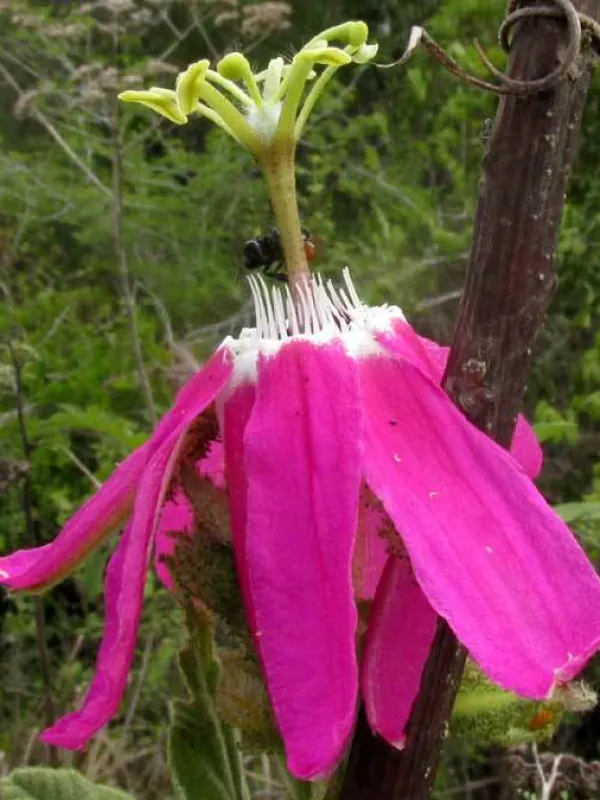
Description
Sowing dates
Sowing seeds of this crop is recommended in the spring as daylight hours increase, which promotes faster germination.
Before planting, seeds require scarification or soaking in warm water to break down the hard outer seed coat.
The planting depth is typically between 0.5 and 1 cm, and it is crucial to maintain a stable, warm soil temperature during this period.
Using loose, well-draining soil mixtures containing peat and perlite helps prevent root rot during the early stages of development.
The optimal timing for transplanting seedlings into open fields or greenhouses occurs once the threat of frost has completely passed.
Growing requirements
Passiflora sublanceolata belongs to the Passifloraceae family and thrives in tropical or subtropical climates with high atmospheric humidity.
This species is a light-loving vine, requiring full sun exposure to ensure vigorous growth and abundant flowering throughout the season.
The soil for cultivation should be fertile, with a neutral or slightly acidic pH, and rich in organic matter to support plant health.
During the growing season, consistent and thorough watering is necessary, provided the drainage is sufficient to prevent waterlogging.
Proper trellising is an essential part of the agrotechnical process, as the vine uses tendrils to climb and requires support for vertical growth.
Main diseases and pests
Common pests affecting this vine include spider mites and whiteflies, which tend to infest leaves under conditions of low humidity.
Improper irrigation management may lead to root rot, making it vital to ensure adequate drainage in both container and field settings.
Powdery mildew can pose a significant threat if the plant is kept in areas with poor air circulation and high humidity.
Disease prevention involves routine leaf inspections and prompt application of insecticides at the first signs of pest infestation.
Vigilance is required to monitor shoot health, as weakened plants are more susceptible to leaf spots and other fungal pathogens.
Harvesting
Commercial utilization of Passiflora sublanceolata fruit involves harvesting at the stage of full biological maturity when the skin develops its characteristic color.
Harvesting must be handled with care to avoid bruising the delicate skin, which makes the fruits susceptible to rapid spoilage after damage.
Ripe fruits are known for their distinct aroma and juicy pulp, which are highly valued in the food processing industry and various culinary applications.
Once harvested, the produce requires specific storage conditions, preferably at cool temperatures, to slow down over-ripening processes.
Sorting should be performed immediately after harvest to separate damaged specimens and ensure the long-term shelf life of the marketable batch.