
Passiflora nitida
Passiflora nitida Kunth
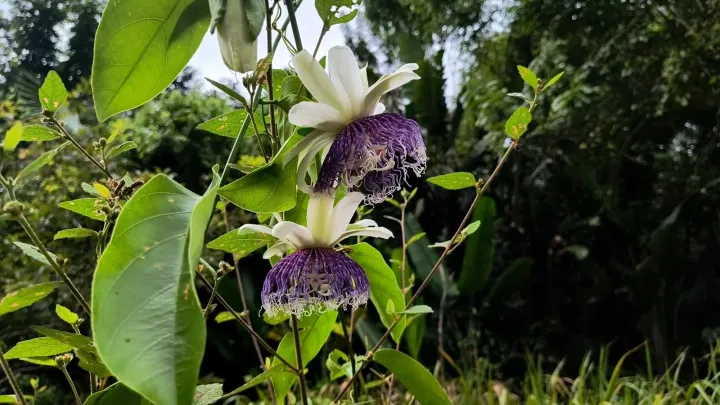
Description
Growing requirements
Passiflora nitida is a perennial evergreen vine belonging to the Passifloraceae family. Native to the tropical rainforests of South America, this plant is well-adapted to warm, humid environments found in equatorial latitudes.
For successful cultivation, the plant requires a climate with consistently high temperatures, ideally between 22 and 30 degrees Celsius. It is highly sensitive to frost and must be protected from cold snaps to ensure its survival and development.
Soil requirements dictate the use of loose, well-draining substrates rich in organic matter. Proper drainage is critical, as stagnant water can quickly lead to root rot, which is a common fatal issue for this species.
As a climbing vine, Passiflora nitida needs robust support structures. It utilizes specialized tendrils to scale vertical surfaces, making it an excellent candidate for managed trellis systems that improve air circulation and sunlight exposure.
The agronomic management includes consistent irrigation to maintain soil moisture levels and supplemental feeding during the peak growth season. Providing adequate space and light is essential for reaching the full potential of the plant's vegetative growth.
Yield
The primary agricultural interest in Passiflora nitida lies in its fruit, which offers a unique flavor profile. Yields are heavily dependent on environmental stability, effective pollination by insects, and the plant's age.
The fruits are globose or ovoid, characterized by a pleasant aroma and juicy pulp filled with seeds. They are consumed fresh or processed into artisanal beverages, jams, and various culinary desserts.
Beyond its nutritional value, the species is highly regarded for its aesthetic contribution. Its large, complex flowers attract pollinators and make it a valued addition to conservatory collections and specialized tropical nurseries.
Harvesting is performed throughout the fruiting season. Selective picking ensures that only fruits reaching optimal maturity are collected, which is vital for maintaining high market quality and flavor standards.
Enhanced production can be achieved through systematic pruning and canopy management, which redirects energy toward fruit development and keeps the plant manageable within an agricultural plot.
Main diseases and pests
Fungal infections remain a significant threat, particularly in poorly ventilated settings with high humidity. These conditions often lead to leaf spots or root diseases that can compromise the health of the entire vine.
Common pests include spider mites and aphids, which frequently target young, tender leaves. Early detection is crucial, as these pests can rapidly deplete plant vigor if not controlled by timely interventions.
- Susceptibility to root-knot nematodes in poorly maintained soil.
- Whitefly infestations affecting growth cycles.
- Bacterial blights that can spread through contaminated tools.
Preventive strategies such as crop rotation, sanitizing pruning equipment, and maintaining optimal spacing between vines are essential for minimizing the risk of outbreaks.
Effective pest and disease management is a cornerstone of successful Passiflora nitida farming, ensuring long-term plant health and consistent fruit production levels.