
Passiflora miersii
Passiflora miersii Mart.
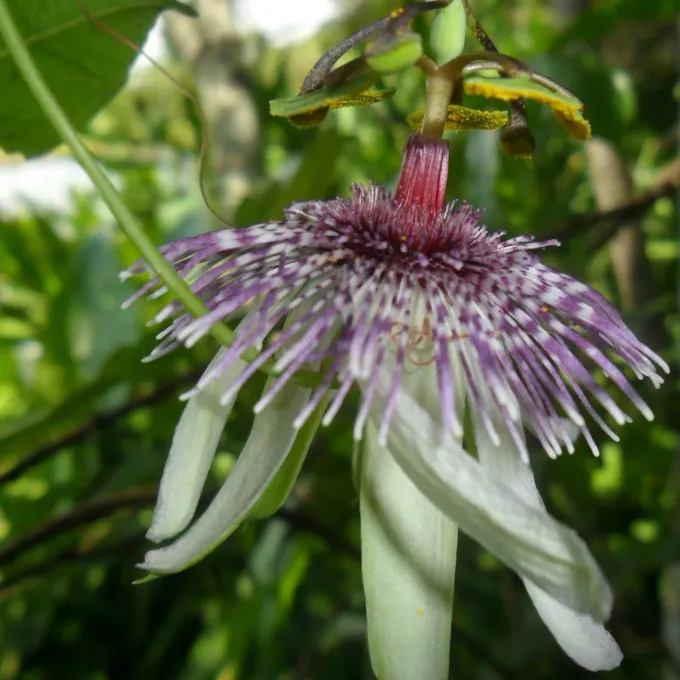
Description
Growing requirements
Passiflora miersii is a distinct member of the Passifloraceae family, originating from the humid tropical regions of South America. It is a vigorous climbing vine characterized by its intricate flower structure and ability to thrive in forest margins.
The cultivation of this species requires well-drained, fertile soil rich in organic matter. A pH range between 6.0 and 7.0 is ideal for nutrient uptake, ensuring strong development of the root system and foliage.
Climate requirements for Passiflora miersii are strictly tropical, demanding high humidity and temperatures between 22°C and 30°C. The plant should be protected from strong winds that can damage the delicate tendrils and leaves.
Light intensity is a critical factor for success; the vine requires bright, indirect light for optimal photosynthesis. In indoor cultivation, supplemental lighting may be necessary during winter months to prevent etiolation.
Maintenance involves pruning the lateral shoots to manage the plant's size and direct its energy into flower production. Providing a sturdy trellis or support system is essential for the vine to display its full growth potential.
Main diseases and pests
Spider mites represent a major challenge for this crop, especially in environments with low humidity levels. Regular monitoring and misting can help deter their population growth.
Mealybugs often congregate in the axils of leaves and stems, secreting honeydew that encourages sooty mold. Targeted application of horticultural oils is effective in controlling these infestations.
Fusarium wilt can devastate the crop if the soil remains waterlogged for extended periods. Ensuring a high-quality drainage layer in pots or beds is the primary preventative measure.
Whiteflies are known to spread viral pathogens, making pest control a vital aspect of crop health management. Utilizing yellow sticky traps helps in detecting the onset of an infestation early.
Leaf spot diseases may occur during periods of high humidity and poor ventilation. Keeping the leaf surfaces dry and improving air circulation are key cultural strategies to prevent fungal outbreaks.