
Sweet calabash
Passiflora maliformis L.
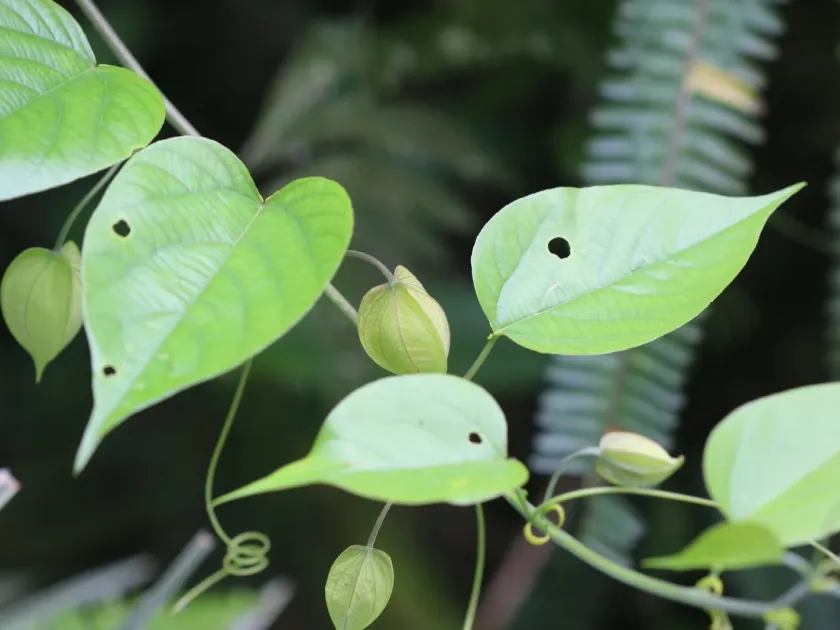
Description
Growing requirements
The sweet calabash (Passiflora maliformis L.) is a member of the Passifloraceae family. This perennial woody vine is native to the tropical regions of Central and South America and the Caribbean.
The plant thrives in a tropical climate with temperatures consistently between 20 and 28 degrees Celsius. It requires abundant sunlight to stimulate vigorous blooming and ensure optimal fruit set.
Cultivation requires well-draining, fertile soil rich in organic matter. Waterlogged soil must be avoided at all costs, as the roots are highly susceptible to rot in saturated conditions.
Agricultural practices involve setting up robust trellising systems, as the plant acts as a climber with strong tendrils that require vertical support to manage canopy density.
The fruit is prized for its aromatic, sweet pulp, which is consumed fresh or processed into refreshing beverages, jellies, and high-quality confectionery products.
Main diseases and pests
Common pests affecting this crop include aphids, spider mites, and whiteflies, which can significantly stunt the growth of young vines and reduce photosynthetic efficiency.
Fungal pathogens like anthracnose and various leaf spots often occur in humid environments, necessitating careful spacing and canopy management to ensure air circulation.
Root-knot nematodes present a major challenge, especially in sandy soils, requiring farmers to implement soil sterilization or use resistant rootstocks where available.
Integrated pest management (IPM) is recommended to mitigate the impact of insects and diseases, prioritizing biological controls over broad-spectrum pesticides.
Regular sanitation, including the removal of dead or infected debris from the trellis, is essential to minimize the inoculum of pathogens in the orchard.
Harvesting
The harvest period is determined by the development of the shell's hardness and a distinct color change, signaling the fruit's physiological maturity.
Harvesting should be performed manually by clipping the peduncle, ensuring the outer shell remains intact to maintain freshness during logistics and distribution.
Since the fruits do not ripen simultaneously, multiple harvest passes are required throughout the season to ensure maximum yield of high-quality produce.
Yield metrics are closely linked to pollination efficiency, as the presence of native pollinators or honeybees is crucial for the successful development of the fruit.
Post-harvest storage should occur in cool, ventilated conditions to maintain the optimal sugar content and texture of the pulp before it reaches the consumer.