
Passiflora kermesina
Passiflora kermesina Link & Otto
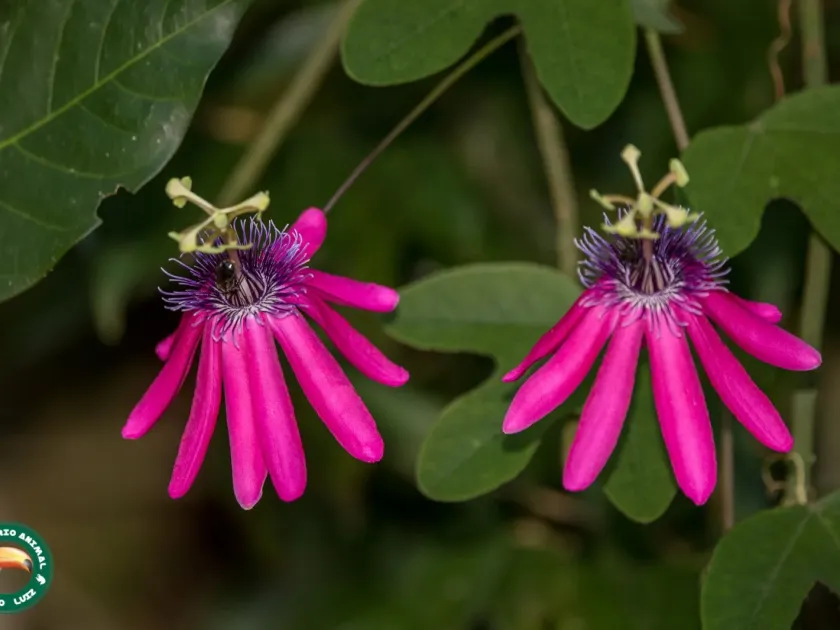
Description
Sowing dates
Passiflora kermesina, belonging to the Passifloraceae family, is a climbing vine appreciated for its vibrant crimson flowers. Propagation is primarily achieved through stem cuttings taken during the active growth phase, which ensures the genetic consistency of the plant.
Seed propagation is also possible, though it requires specific conditions for success. Seeds should be soaked in warm water for 24 hours prior to sowing, then placed in a well-draining seed-starting mix at a constant temperature of 25 degrees Celsius.
Once seedlings have reached a sufficient size, they are transplanted into larger containers to facilitate root system expansion. It is crucial to use a nutrient-rich potting medium that supports rapid early growth while maintaining proper moisture levels.
In regions with a suitable climate, outdoor planting is best performed in the late spring after the danger of frost has passed. Early growth should be supported by vertical structures, as this promotes healthy development and better air circulation.
For indoor gardening, plants should be positioned in a location with high ambient light. If natural light is insufficient, supplementing with LED growth lights can help maintain the plant's structural integrity throughout the shorter winter months.
Growing requirements
Passiflora kermesina originates from tropical areas in Brazil, necessitating a warm and humid environment for optimal health. It thrives in locations that receive full morning sun but prefers protection from the harsh, direct afternoon heat.
The soil should be fertile, light, and slightly acidic. Good drainage is non-negotiable; therefore, the substrate should be amended with perlite or coarse sand to prevent compaction and saturation around the roots.
Irrigation must be consistent to keep the soil lightly moist, but the top layer should be allowed to dry slightly between watering cycles. During winter, the plant enters a semi-dormant stage, during which water intake should be significantly reduced.
Pruning is essential for maintaining the shape of the vine and encouraging blooming. Regular trimming of excessively long shoots helps direct the plant's energy toward flower production rather than mere vegetative mass.
Regular fertilization with a balanced, water-soluble fertilizer is recommended throughout the growing season. High-potassium formulas are particularly beneficial for promoting the development of the characteristic intricate flowers.
Main diseases and pests
Spider mites are the most frequent pests, especially in indoor environments where the air may be too dry. Increasing humidity or using horticultural soaps can effectively manage minor infestations before they become critical.
Aphids and mealybugs can also attack the soft, growing tips of the vine. Regular inspections and the application of neem oil or similar organic insecticides provide reliable protection against these common nursery pests.
Root rot, often caused by overwatering or poor drainage, is a significant threat to the plant's longevity. It manifests as wilting even when the soil is wet, requiring immediate inspection of the roots and repotting in fresh substrate.
Fungal diseases, such as leaf spot or powdery mildew, can occur under conditions of poor air circulation. Improving ventilation around the plant is the first step in prevention, followed by the use of appropriate fungicides if symptoms persist.
Nutrient deficiencies, particularly iron chlorosis, can lead to yellowing between leaf veins. Using chelated iron supplements can quickly resolve these issues and restore the plant's natural, healthy green coloration.