
Stinking passionflower
Passiflora foetida L.
Description
Sowing dates
The propagation of Stinking passionflower (Passiflora foetida) typically begins with seeds sown in a protected environment or greenhouse. Due to the hard seed coat, pre-sowing treatment such as scarification or soaking in warm water for 24 hours is highly recommended to improve germination rates.
Seeds should be planted at a shallow depth of approximately 0.5 to 1 cm in a well-draining, sterile potting mix. Providing consistent warmth is crucial for success, with an ideal temperature range between 22 and 26 degrees Celsius.
Germination usually occurs within two to four weeks. Once the seedlings develop several true leaves, they should be carefully transplanted into individual containers to prevent root competition and damage.
In tropical and subtropical climates, direct sowing in the field is possible once the danger of frost has passed. Ensure that the soil is prepared with organic matter to support the rapid initial growth phase of the vine.
Space the plants adequately, as this species is a vigorous climber. A distance of at least 1–1.5 meters between plants is necessary to allow for optimal air circulation and development of the climbing vines.
Growing requirements
As a member of the Passifloraceae family, the Stinking passionflower thrives in full sun exposure. It is a heliophilic plant, and insufficient light will lead to spindly growth and a significant reduction in flower production.
The plant is adaptable to various soil types but performs best in fertile, well-draining soils with a neutral pH. Proper drainage is essential, as the roots are susceptible to rot when exposed to consistently waterlogged conditions.
Consistent moisture is required during the active growing season. While the plant can tolerate short dry spells once established, regular irrigation is vital to maximize fruit set and berry size.
Sturdy trellises or supports are necessary for the vertical growth habit of the plant. Proper vertical training not only saves space but also keeps the foliage dry, reducing the risk of fungal infections caused by humidity.
The species prefers warm climates with temperatures between 20 and 30 degrees Celsius. It does not tolerate frost and will suffer tissue damage if exposed to temperatures significantly below 10 degrees Celsius.
Yield
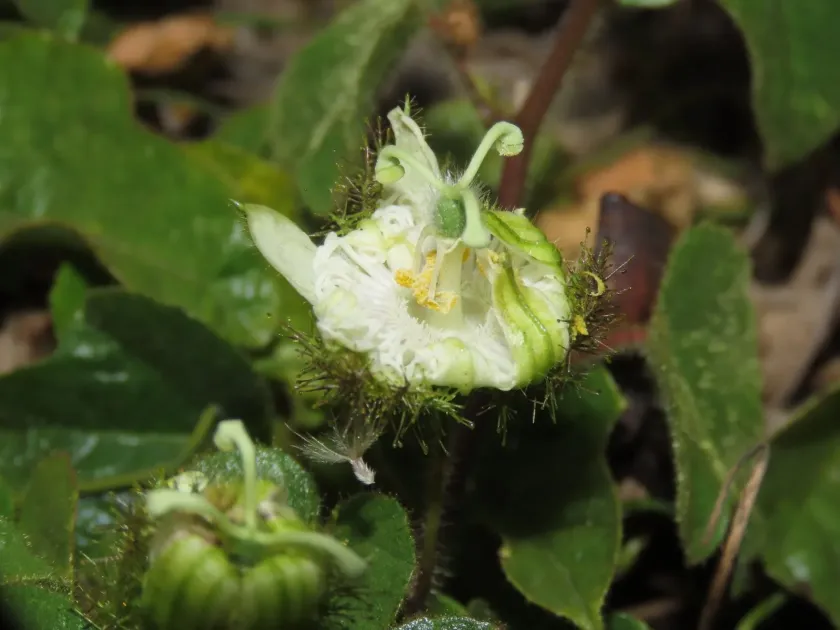
The yield of Passiflora foetida consists of small, rounded berries enclosed in intricate, feathery bracts. The fruit is juicy with a pleasant, tangy-sweet flavor, often used in local culinary applications like juices, jams, and jellies.
Productivity is highly dependent on effective pollination. In indoor or controlled greenhouse environments, manual pollination may be necessary to ensure that the maximum number of flowers successfully develop into mature fruits.
With balanced fertilization, focusing on potassium and phosphorus, the plant can produce multiple flushes of fruit throughout the growing season. The plant is noted for its rapid development, often fruiting within a few months of sowing.
Regular maintenance, including the removal of dead foliage and spent blooms, helps the plant redirect its energy into fruit production. Healthy, well-tended vines can yield a substantial amount of fruit over their lifespan.
While the fruit is edible and nutritious, yield management also involves ensuring that the plants are not overcrowded, as this can impede fruit quality and increase the risk of pest infestations.
Main diseases and pests
Common pests affecting the Stinking passionflower include aphids, spider mites, and whiteflies. These insects can quickly colonize the undersides of leaves, causing yellowing and stunted growth if left unmanaged.
Fungal diseases, such as powdery mildew and root rot, represent significant threats in high-humidity conditions. Ensuring proper ventilation and avoiding overhead irrigation are essential preventative measures.
Integrated pest management strategies should be employed, prioritizing biological controls or organic-compliant pesticides to maintain the safety of the fruit for human consumption.
Vigilance is required to detect early signs of infestation. Regular scouting and immediate intervention when pests are spotted can prevent widespread outbreaks that would otherwise compromise the entire crop.
Environmental stress, such as sudden temperature drops or lack of light, can weaken the plant, making it more susceptible to opportunistic pathogens. Keeping the plants vigorous through proper care is the first line of defense.
Harvesting
Harvesting should be done manually when the fruits reach full maturity, indicated by their bright yellow or orange skin color. The fruits are soft and easily bruised, requiring gentle handling to maintain their market quality.
Since the shelf life of fresh berries is quite short, they should be processed or consumed within 24 to 48 hours of harvest. Refrigeration can help extend this window slightly, but speed is key to maintaining peak freshness.
The feathery bracts that surround the fruit are often left intact during harvesting to enhance the exotic aesthetic of the produce, which is highly appreciated in specialized markets.
It is best to harvest during the cooler hours of the morning to minimize moisture loss and preserve the texture of the berries. Fallen fruit should be collected promptly to prevent decay on the ground.
By implementing a systematic harvest schedule, farmers can ensure a consistent supply of fruit throughout the season and prevent the over-ripening of berries that can lead to wastage.